A plastic light diffuser is a specially designed component or lens that scatters light from LEDs, creating soft, even illumination. In commercial and industrial applications, these components are essential for eliminating harsh glare and visible LED hot spots. However, superior light diffusion requires the right plastic and precision manufacturing.
Injection molding is the optimal method for producing custom diffuser components. Manufacturers can achieve uniform light distribution without sacrificing light transmittance by:
- Customized engineered designs
- Precise mold surface treatments
- Specialty optical resins
- Different product finishes
Our blog will explore these topics in detail to demonstrate how injection molding proves itself as the optimal method of custom light diffuser production.
Custom Geometries and Integrated Features via Injection Molding
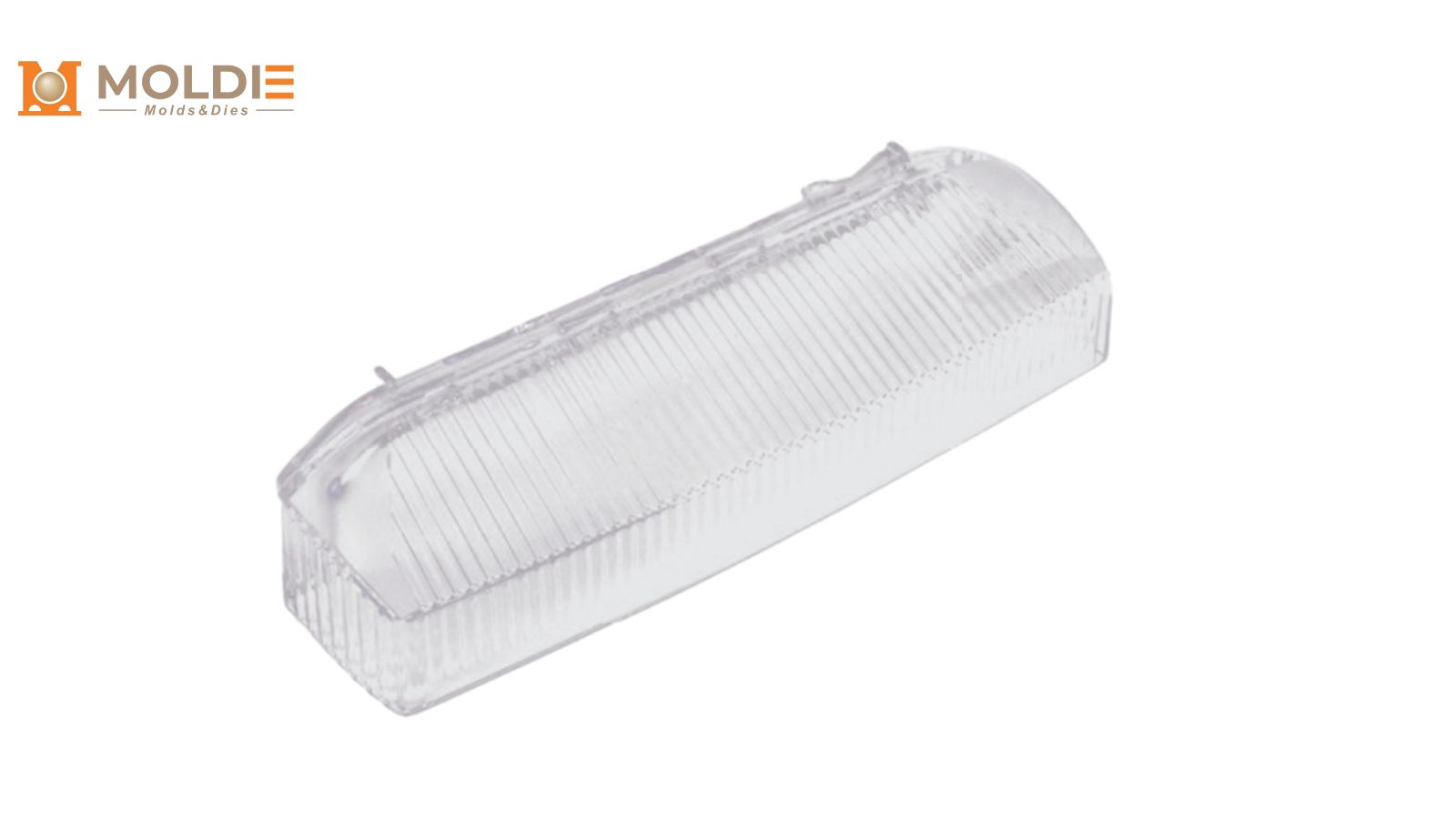
Unlike traditional extruded flat components, injection molding allows for complete design freedom when creating light diffusers. This process is ideal for lighting manufacturers looking to produce customized, three-dimensional components that go beyond simple flat panels.
By utilizing custom plastic injection molds, designers can achieve configurations that are far more complicated than normal light diffuser panels.
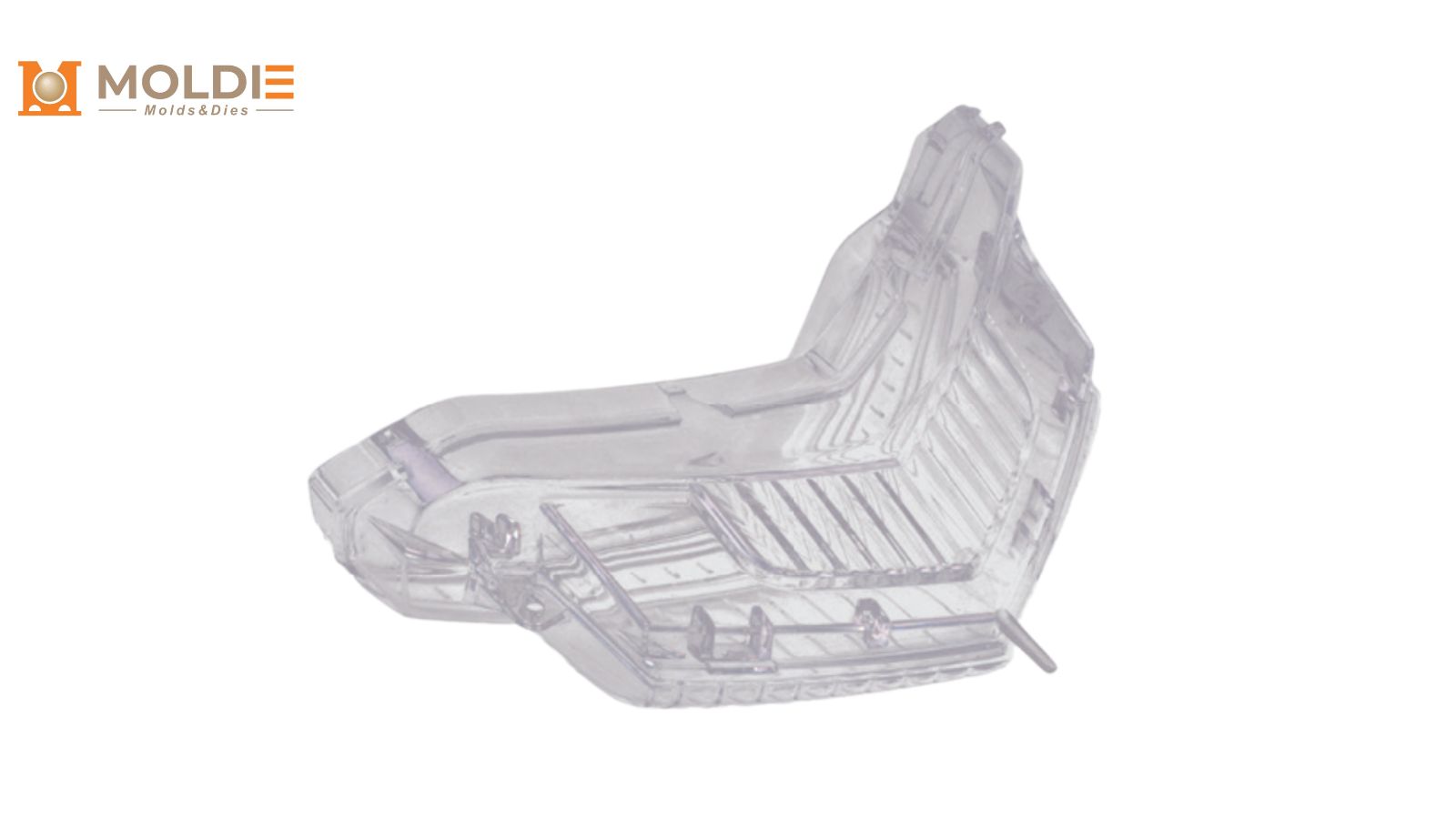
- Complex 3D Profiles: Injection molding easily creates curved, domed, cylindrical, or multi-faceted light covers designed to fit unique architectural fixtures, smart home devices, or automotive lighting.
- Integrated Assembly Structures: Instead of relying on separate metal clips or screws, injection-molded diffusers can be designed with built-in snap-fits, mounting bosses, and alignment tabs. This significantly reduces the overall part count and speeds up the final assembly line for lighting manufacturers.
- In-Mold Optical Textures: Rather than applying a secondary diffusing film, specific light-diffusing textures—such as micro-prisms, frosted gradients, or matte finishes—can be machined directly into the mold cavity steel (like VDI or SPI finishes). This ensures that every molded component comes out with highly repeatable, precision light-scattering properties.
Controlling Light Diffusion with SPI Mold Finishes
One of the greatest advantages of injection molding is the ability to create optical textures directly in the tool. Instead of applying secondary films or coatings, manufacturers control light diffusion through standard mold polishing grades set by the Society of Plastics Industry (SPI).
For high-clarity lenses or specific diffusion patterns, achieving the correct SPI mold finish is critical. Professional injection molders like Moldie can achieve rigorous high-polish standards to meet precise optical requirements:
- SPI A-2 (Grade #3 Diamond Buff): This produces a very high, optically clear polish. It is typically used for completely transparent light guides or clear LED lenses where maximum light transmission is required and internal structures (like prisms) do the diffusing.
- SPI A-3 (Grade #15 Diamond Buff): This provides a high polish that is slightly less flawless than A-2 but still delivers excellent clarity. It is often used for clear indicator covers or optical parts where minor imperfections will not disrupt the light path.
- SPI B and C Grades (Paper and Stone Finishes): These finishes leave a very fine to medium texture on the mold. When plastic is injected, the resulting part has a naturally satin or matte appearance. This in-mold texture scatters light immediately as it exits the plastic, making it a highly cost-effective way to create a soft, glare-free diffuser without using specialty frosted resins.
By dialing in the exact SPI finish, engineers can fine-tune the balance between light transmission and hot-spot diffusion during the molding process itself.
Choosing the Right Plastic Material
Material selection determines how well a diffuser performs over time, how it handles impact, and how much light it transmits. Acrylic and polycarbonate are the two dominant choices for LED light components.
Acrylic for Clarity, Appearance, and Indoor Use
Acrylic, also known as PMMA, is the most popular material for indoor light diffusers. It offers excellent optical clarity, with light transmission rates that can exceed 92% in clear form. When formulated with diffusing additives, acrylic sheets scatter light effectively while maintaining a clean, bright appearance.
Acrylic is lightweight and easy to fabricate. The material also resists yellowing better than many alternatives when used indoors away from direct UV exposure.
The main trade-off is brittleness. Acrylic can crack on impact, which limits its use in areas where safety or physical durability is a concern.
Polycarbonate for Impact Resistance and Safety
Polycarbonate is roughly 200 times more impact-resistant than glass and significantly tougher than acrylic. This makes it the preferred choice for schools, gymnasiums, industrial facilities, and outdoor fixtures where breakage is a risk.
Light transmission through polycarbonate diffuser components typically reaches 80% to 90%, depending on the grade and finish. Injection-molded polycarbonate diffusers benefit from precise resin formulations that optimize the scatter of light while keeping transmittance high.
Polycarbonate does have a tendency to yellow over extended UV exposure if not treated with a UV-stabilizing coating. Manufacturers address this with co-extruded UV layers or UV-resistant additives blended into the resin during production.
UV Resistance and Anti-yellowing: Factors for Long-Term Results
A diffuser that looks great on day one but turns yellow within two years is not a good investment. Long-term performance depends on material stability, environmental conditions, and maintenance practices.
Durability, Yellowing, and Cleaning Needs
Yellowing is the most common complaint with aging plastic diffusers. It reduces light transmission and gives the fixture a dated, unattractive look.
Acrylic resists yellowing well in indoor environments. It maintains clarity for years when kept away from intense UV sources.
Polycarbonate is more prone to yellowing unless it includes UV-stabilizing additives or a co-extruded UV-blocking layer. High-quality polycarbonate diffusers designed for architectural lighting include these protections as standard.
Cleaning is straightforward for most diffuser materials. A soft cloth with mild soap and water removes dust and grime. Avoid ammonia-based cleaners on acrylic, as they can cause surface crazing.
Fire Resistance, Safety, and Environment Fit
Building codes in commercial and institutional settings often require fire-rated materials. Polycarbonate meets many fire resistance standards due to its inherent flame-retardant properties. Acrylic burns more readily and may need additional treatment for use in code-restricted environments.
For food service areas, healthcare facilities, and clean rooms, diffuser materials must also meet specific sanitation and safety standards. Shatter-resistant polycarbonate is often the required choice in these settings.
Balancing Cost, Appearance, and Performance
| Material | Cost | Clarity | Impact Resistance | UV Stability |
|---|---|---|---|---|
| Acrylic (PMMA) | Medium | High | Low | High (indoors) |
| Polycarbonate | Higher | Good | Very High | Moderate (needs UV layer) |
The right choice depends on the project’s priorities. A commercial retrofit across an entire office building may justify the higher cost of UV-stabilized polycarbonate for its durability and safety benefits.
Surface Finishes: Frosted, Prismatic, and Matte/Satin
Each finish type serves a different purpose, balancing light transmission with visual comfort. By applying different textures to the mold surface, manufacturers can achieve these specific lighting effects:
- Frosted (Opal or Milky White): These finishes provide the smoothest, most uniform glow. They are preferred in settings where visual comfort matters more than maximum brightness. Frosted diffusers work best in offices, hospitals, and residential ceilings where soft, even lighting is the priority.
- Prismatic: This finish uses a textured pattern of small geometric shapes to refract and redirect light. Prismatic designs are common in commercial fixtures because they maximize brightness and spread light efficiently while controlling harsh glare.
- Matte and Satin: Falling between frosted and clear, these finishes reduce glare and soften light without dramatically reducing transmission. This middle-ground performance makes them highly versatile. Common uses include retail displays, signage applications, conference rooms, lobbies, and residential kitchen or bathroom fixtures.
Both acrylic and polycarbonate materials can be molded with these finishes, with each material offering different durability and optical characteristics for the final project.
Best Applications for Custom Injection-Molded Diffusers
Plastic light diffusers serve a broad range of applications across commercial, industrial, and specialty environments. When transitioning from standard flat sheets to custom injection-molded components, the possibilities for integration and design expand significantly. The right geometry and material choice depend entirely on the end use.
Smart Home Devices and Consumer Electronics

Modern consumer electronics heavily rely on precision injection-molded diffusers and light guides. Injection molding allows engineers to hide individual LED hot spots completely while directing light precisely where it is needed—even around corners or through complex internal assemblies. Common applications include:
- Subtle indicator lights on Wi-Fi routers and IoT devices
- Glowing light rings on smart speakers and voice assistants
- Backlit buttons and display panels on smart wall switches and thermostats
Automotive and Transportation Lighting
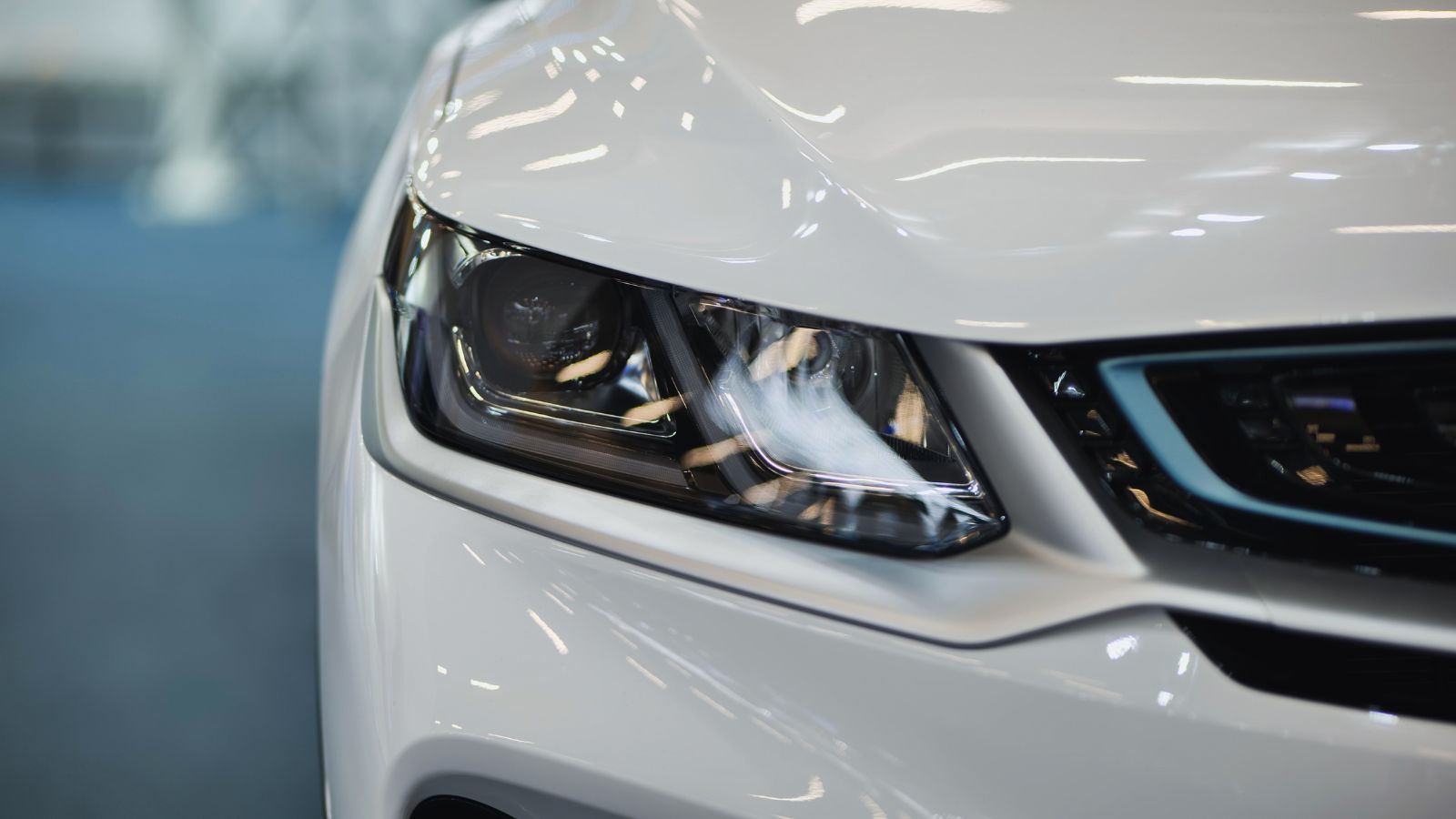
In the automotive industry, lighting is a key design signature that requires both optical clarity and extreme durability. Polycarbonate is often the material of choice here due to its high impact resistance and ability to withstand extreme temperature fluctuations while delivering a seamless, glare-free aesthetic. Examples include:
- Interior ambient light strips across dashboards and doors
- Dashboard and instrument panel indicators
- Complex exterior taillight assemblies and daytime running lights (DRL)
Custom Commercial Fixtures and Architectural Lighting
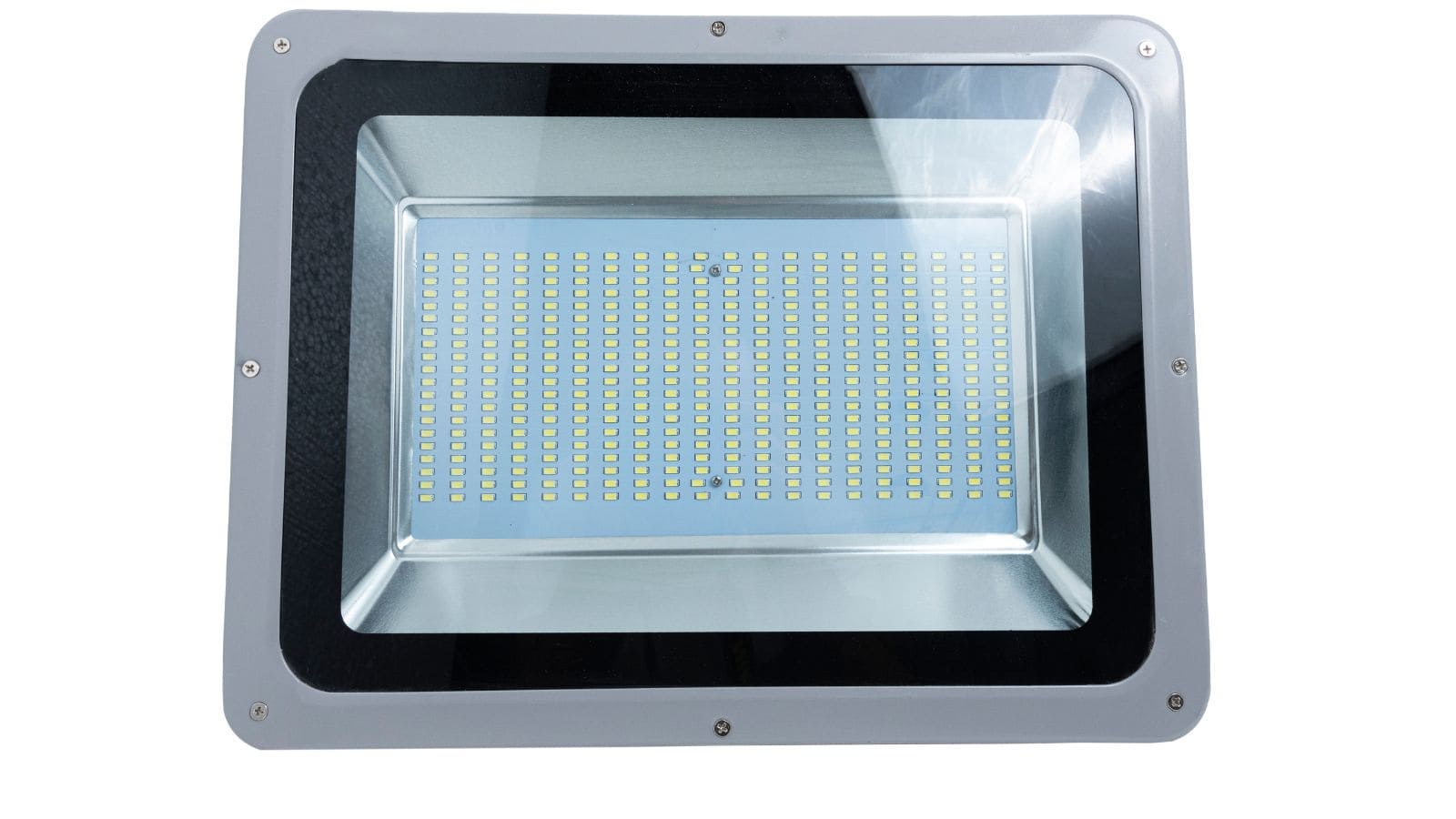
While basic office spaces might use flat extruded sheets, high-end commercial and architectural lighting projects push diffuser technology further. Designers working in hospitality, museums, and high-end retail use custom diffusers to create mood lighting, highlight merchandise, and define spaces with comfortable, glare-free illumination. Typical molded components include:
- Waterproof LED enclosures for outdoor wall sconces
- Precision optical lenses for commercial track lighting
- Custom 3D geometric light covers for decorative architectural installations
For these applications, the connection between injection molding technique and optical performance becomes especially important. Precisely molded components with controlled surface finishes deliver the exact diffusion pattern a designer specifies, ensuring the finished installation meets both aesthetic and functional goals.
Bring Your Custom Lighting Projects to Life with Moldie
Achieving the perfect balance of light transmission and diffusion requires expert tooling and injection molding precision. At Moldie, we specialize in transforming your lighting concepts into high-quality, manufacturing-ready components.
Whether you need complex 3D light guides for consumer electronics, durable polycarbonate lenses and fluorescent light cover for automotive applications, or specific SPI finishes for custom commercial light fixtures, our engineering team is ready to help. Our services include mold design and manufacturing, as well as one-stop mass production solutions.
Ready to start your next project? Contact Moldie today to discuss your custom injection molding needs and request a fast, competitive quote.