Injection molding automotive parts is the primary method for producing plastic components used in modern vehicles. The manufacturing process accounts for more than 30% of all plastic auto parts in volume, delivering repeatable precision at short cycle times.
For OEM buyers, product engineers, and sourcing managers, the real challenge often lies in execution. Success requires precisely aligning part design, material selection, and quality systems into a reliable, high-volume production program.
What Injection Molding Automotive Parts Include
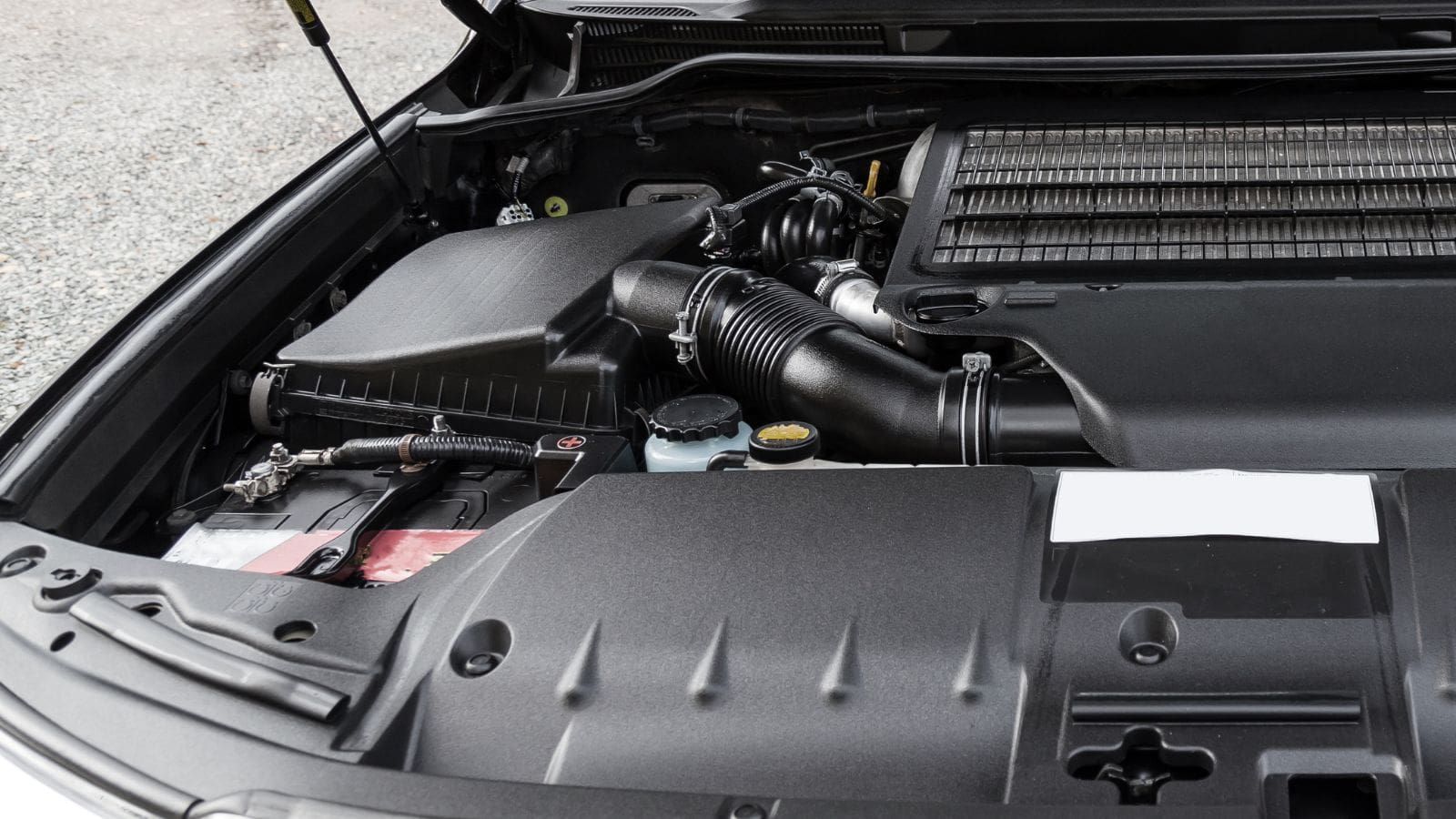
A modern passenger vehicle typically contains roughly 150 to 200 kilograms of plastic parts depending on type and market, and the majority of those components are injection molded. They cover a broad range of components across every zone of a vehicle.
The table below shows a representative sample of injection molded automotive parts by vehicle zone:
| Vehicle Zone | Common Car Parts | Typical Materials |
|---|---|---|
| Interior | Door panels, instrument panels, air vents, cup holders | ABS, PP, PC/ABS |
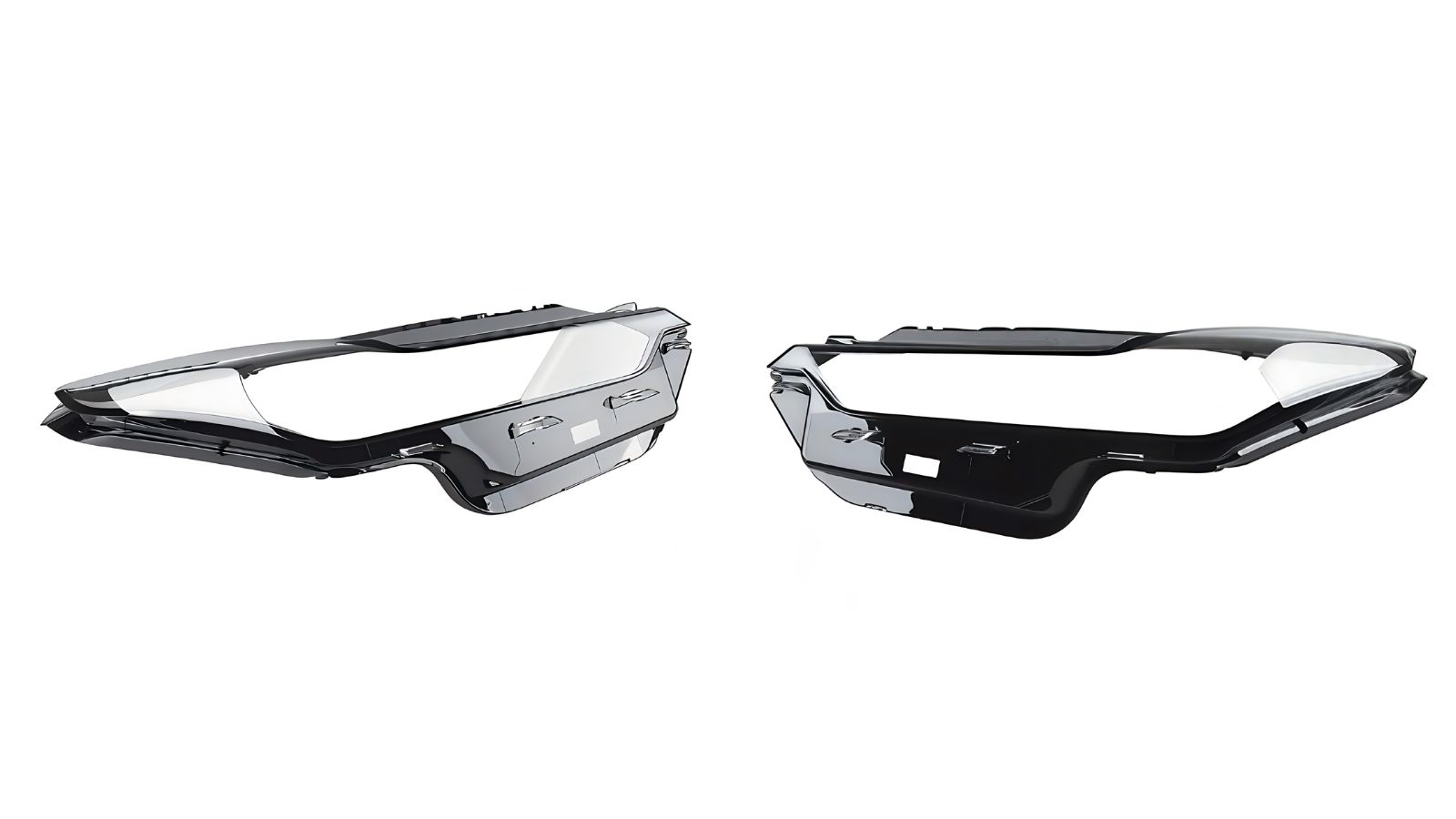
| Exterior | Bumpers, grilles, fenders, mirror housings, light covers | PP, ABS, PC, TPO |
| Under-the-Hood | Engine covers, intake manifolds, coolant reservoirs | PA6-GF30, PBT, PPS |
| Electrical | Connector housings, fuse boxes, sensor brackets | PA66, PBT-GF, LCP |
| Structural | Seat belt components, door modules, pillar trim | PA6-GF, PP-GF, ABS |
What’s more, the shift toward electric vehicles has expanded demand for injection molded battery housings, charging port covers, and lightweight structural brackets.
How Plastic Injection Molding Benefits Automotive Industry
For an automotive manufacturer or supplier evaluating production methods, injection molding offers a combination of speed, precision, material range, and cost efficiency at volume.
To be more specific, here is a list of the major benefits the technique brings to the table:
- Deliver tight tolerances (as precise as ±0.05 mm)
- Support complex geometries, including undercuts and living hinges
- Scale efficiently from tens of thousands to millions of parts per year
- Reduce component weight while maintaining structural performance
- Lower unit costs with multi-cavity molds, automated production lines, and short cycle times
Material Selection For Automotive Plastic Components
The performance of an injection molded plastic part is heavily dependent on its material selection, and this idea applies to automotive plastic injection molding as well.
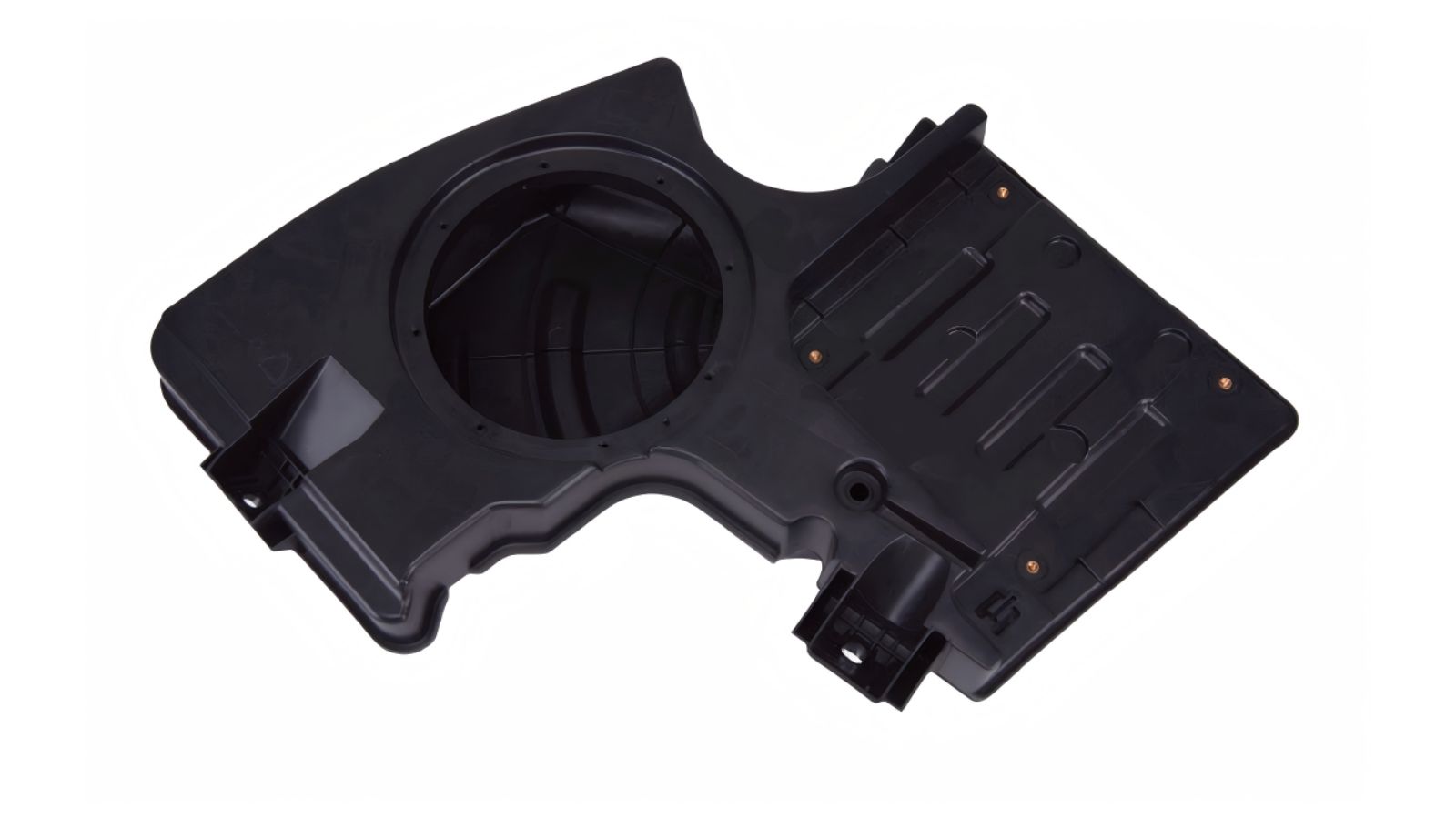
Commodity and Engineering Plastics for Vehicle Parts
Commodity plastics like polypropylene (PP) and ABS handle the bulk of automotive applications where moderate mechanical performance and low cost are priorities. PP alone accounts for roughly 40% of all automotive plastics.
Engineering plastics such as glass-filled nylon (PA6-GF30), PBT, and PPS serve applications that require higher strength, heat resistance, or dimensional stability. Under-the-hood parts and electrical connectors rely heavily on these materials.
Specialty polymers like PEEK and LCP fill niche roles where extreme temperature or chemical resistance is required.
When To Use PP, ABS, PC, TPO, PVC, And HIPS
Each material family serves a specific performance envelope:
| Material | Key Properties | Best Applications |
|---|---|---|
| PP | Chemical resistant, low cost, recyclable | Bumpers, interior trim, battery cases |
| ABS | Impact resistant, good surface finish | Dashboards, grilles, mirror housings |
| PC | Transparent, high impact strength | Headlamp lenses, instrument panels |
| TPO | Flexible, weather resistant | Bumpers, exterior trim, interior skins, and some weatherseal applications |
| PVC | Durable, flame retardant | Wire insulation, interior panels |
| HIPS | Easy to process, good rigidity | Interior housings, non-structural trim |
However, material selection often involves tradeoffs. For example, a part initially specified in ABS for an exterior application may need to shift to ASA or a UV-stabilized blend after weathering tests reveal premature degradation.
Matching Material Performance To Technical Requirements
Matching material to function means evaluating the performances of the materials to the actual applications of the specific parts.
Here we can use the under-the-hood parts we mentioned before as an example: These automotive components demand heat deflection temperatures above 200°C and resistance to oils, coolants, and fuels. Glass-filled polyamides are commonly selected for elevated-temperature applications such as this.
Quality Standards: Navigating IATF 16949 in Automotive Molding
Reviewing the auto industry recalls in the past, even the smallest defect in an automotive plastic part can result in significant safety risks and financial loss. To prevent this, general quality control is not enough. Automotive OEMs require suppliers to strictly adhere to IATF 16949, a premier global quality management standard aimed specifically at the auto industry.
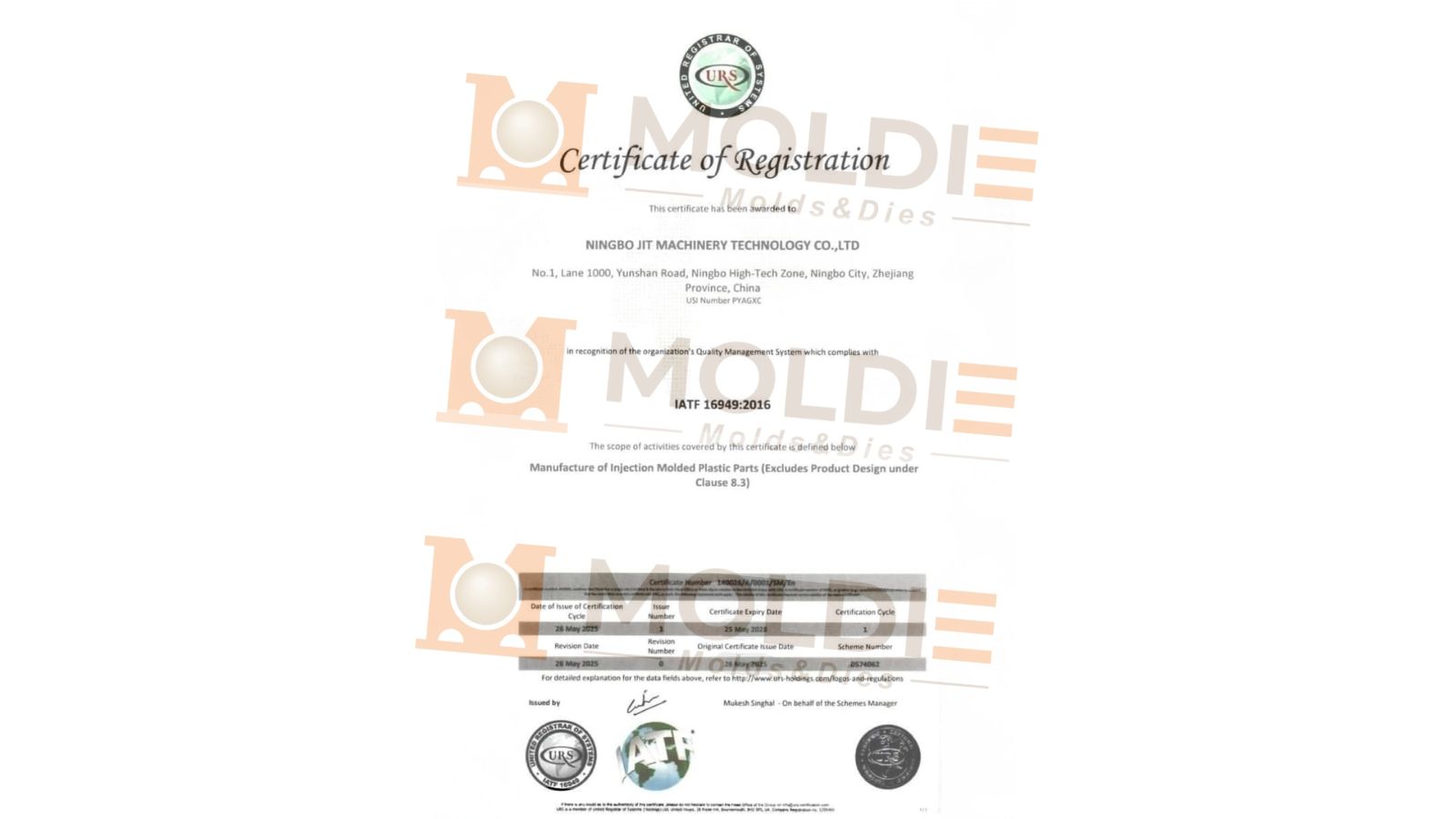
[This is Moldie’s IATF 16949 certification, issued in 2025. To view our most current and valid certificate, please visit our About Us page.]
Core Requirements of IATF 16949 Certification
Building upon the foundation of ISO 9001, IATF 16949 shifts the focus from simple defect detection to proactive defect prevention, risk management, and the reduction of variation in the supply chain.
For automotive injection molding, this means a manufacturer must map out every potential failure point before production. From resin drying temperatures and mold cooling rates to gate locations, the standard mandates documented controls to mitigate risks before mass production is ever approved.
The Five Core Tools Applied to Injection Molding
Compliance with IATF 16949 is largely driven by the meticulous execution of its five core tools, which are essential for validating any automotive injection molding program:
- APQP (Advanced Product Quality Planning)/Control Plan: Ensures that quality is engineered into the part during the mold design and development phase, aligning the supplier’s capabilities with the OEM’s exact requirements.
- FMEA (Failure Mode and Effects Analysis): Anticipates potential molding defects such as sink marks, warpage, or weld lines, and establishes preventative measures in the mold design or processing parameters.
- MSA (Measurement System Analysis): Guarantees that the equipment used to measure critical dimensions (like CMMs or 3D scanners) is precisely calibrated and produces repeatable, trustworthy data.
- SPC (Statistical Process Control): Uses statistical charts to monitor live machine parameters (e.g., injection pressure, melt temperature) to ensure the process remains stable. Automotive standards typically require a process capability index (Cpk) of ≥ 1.33, and often ≥ 1.67 for critical safety dimensions.
- PPAP (Production Part Approval Process): This is the ultimate validation milestone. It requires the molder to provide a comprehensive package of documentation, proving they can consistently produce parts that meet all specifications at the quoted production volume and speed.
Traceability and Continuous Improvement
Another essential pillar of IATF 16949 is absolute traceability. If a structural interior bracket fails in the field, the injection molder must be able to trace that specific component back to the exact batch of raw resin, the machine operator, and the processing parameters used on the day it was manufactured.
Furthermore, the standard mandates a culture of continuous improvement. Automotive molders are required to constantly evaluate their processes to reduce cycle times, minimize plastic waste, and enhance the overall reliability of the molded components.
How to Choose an Automotive Injection Molding Partner
Selecting the right manufacturer requires looking beyond just machine capacity. You need a reliable partner capable of supporting your automotive program from initial concept all the way through mass production, without compromising on quality or speed.
Evaluating Engineering and Tooling Support
A qualified automotive supplier must have a robust quality infrastructure. For example, manufacturers like Moldie (certified in both IATF 16949 and ISO 9001:2015) demonstrate this by backing their production with strong in-house engineering teams.
When evaluating a partner’s technical capabilities, look for these essential services:
- Design Validation: Comprehensive mold flow analysis and DFM (Design for Manufacturability) reviews to catch issues early.
- Prototyping: The ability to validate part fit and function before investing in expensive production steel.
- Advanced Tooling: Expertise in complex mold designs, including multi-cavity, hot runner, and two-shot (2K) molds.
Scalability and Secondary Operations
Scalability is equally important as your volumes ramp up. Your partner should house a wide range of equipment to handle diverse parts.
Furthermore, choosing a supplier that handles secondary operations like CNC machining in-house eliminates supply chain bottlenecks and reduces lead time risks.
The Advantage of Turnkey Manufacturing
For automotive programs involving multiple molded components, turnkey manufacturing is highly valuable. This approach consolidates design, material sourcing, tooling, production, and final assembly under a single point of contact.
By managing the full scope of the project, a turnkey partner drastically reduces vendor coordination overhead and improves accountability. Ultimately, manufacturers offering OEM/ODM turnkey solutions combined with IATF 16949 certification represent the safest and most efficient choice for automotive teams.
Moldie: Your Trusted Plastic Auto Parts Manufacturer with IATF Certification
The success of an auto parts project depends on a holistic approach where precise part design, rigorous material selection, and flawless mold engineering align seamlessly. As the industry shifts toward lighter and more complex vehicles, maintaining consistency across high-volume production runs is the ultimate differentiator for OEMs and suppliers.
At Moldie, we combine the IATF 16949 standard with advanced turnkey manufacturing capabilities to deliver flawless components at scale. Whether you are developing heat-resistant under-the-hood parts or complex interior modules, our engineering team is ready to accelerate your production timeline without compromising precision. Contact Moldie today and discover how our IATF-certified injection molding solutions can optimize your next automotive project.