Injection molded packaging accounts for a significant share of the plastic packaging produced around the globe each year. By injecting melted plastic pellets under high pressure into molds, this process serves industries from food and beverage to medical devices and consumer electronics.
Today, we at Moldie will introduce to you how this manufacturing process shapes the packaging industry, and exactly what products we offer-ranging from custom mold manufacturing to mass-producing the final packaging products.
Why Brands Choose Injection Molded Packaging
Injection molding has deeply integrated itself into the modern packaging industry, and brands select this mass production method when they need repeatable quality, design control, and competitive unit costs across medium to high production volumes.
Precision and Repeatability at Scale
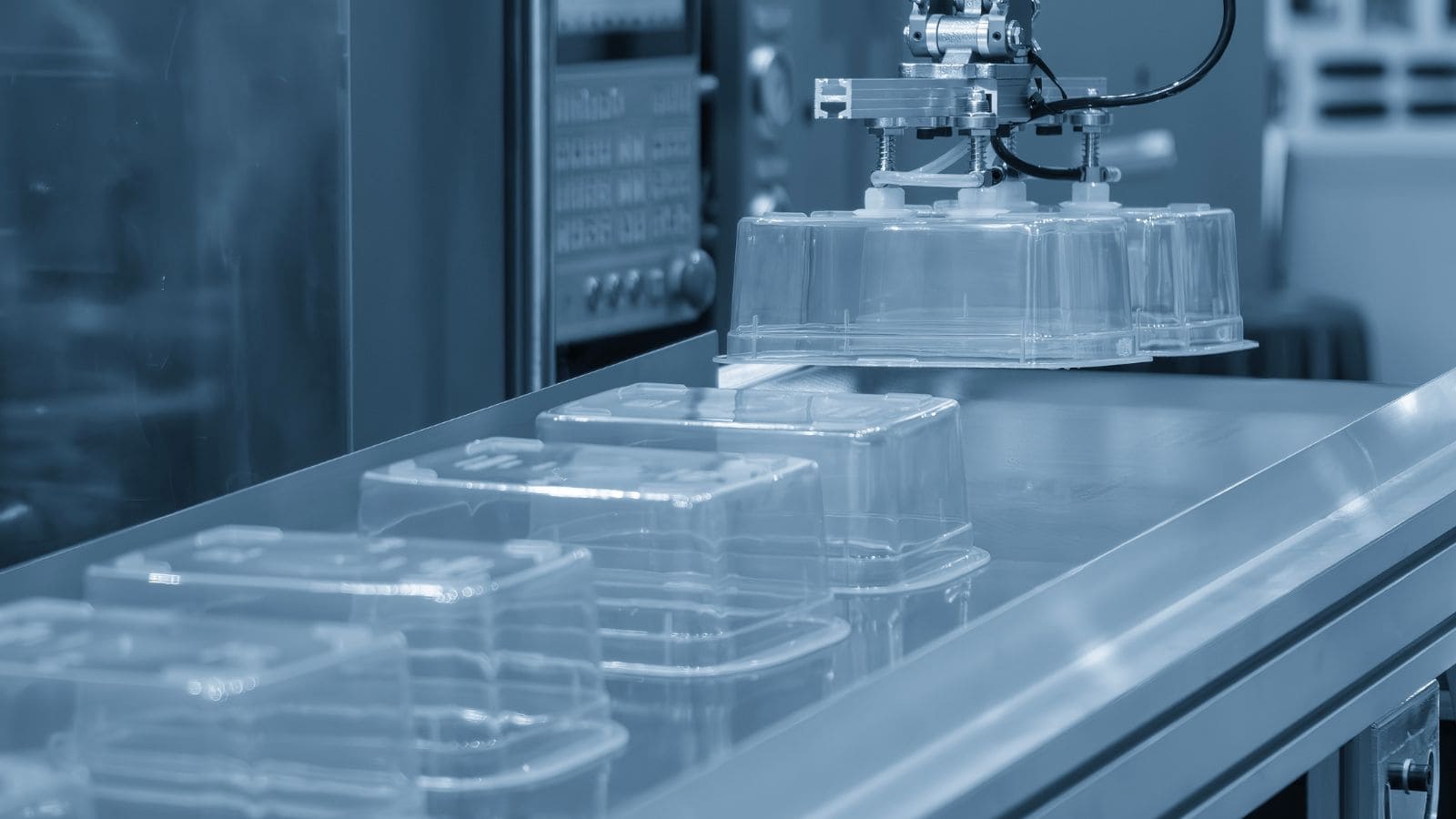
Injection molding delivers dimensional accuracy within tight tolerances, often plus or minus 0.005 inches or better depending on the resin and mold design. Every part produced from a validated mold is essentially identical to the last.
This repeatability matters for packaging that must interface with filling equipment, assembly lines, or other components, because caps must thread correctly, trays must nest consistently, and containers must seal reliably.
At volumes of tens of thousands to millions of units, that consistency reduces reject rates, minimizes downstream quality issues, and keeps production lines running smoothly.
Customization and Branded Packaging Advantages
Almost every batch of plastic packaging requires customization to a certain degree, and the combination of mold production and injection molding is what gives brands control over appearance, brand identity, and function.
Based on the desirable designs, manufacturers like Moldie can make molds with an in-house crew and incorporate fine surface textures, embossed logos, color-matched resins, and features like living hinges or snap-fit closures into the final products.
This also brings another added advantage: clients have the ultimate flexibility of either hiring us to manufacture the packaging or purchasing the customized mold from us for their own injection machines.
Cost Efficiency in Medium and High Volumes
Tooling cost for injection molds is a significant upfront investment, typically fluctuating greatly based on the complexity of the molds. However, that investment pays off eventually in packaging production, which often involves mass producing the same containers or parts.
There are also other factors that contribute to cost control:
- Cavity count. Multi-cavity molds produce more parts per cycle, lowering unit cost.
- Cycle time. Faster cooling and ejection mean more parts per hour.
- Material choice. Dictated by regulations and standards, commodity resins like polypropylene are a possible option that costs less than engineering-grade polymers.
- Part complexity. Simpler geometries require less machining time and lower tooling expense.
Owning your mold is also a valuable long-term asset. Moldie offers tooling export services, meaning you pay the upfront investment for the mold and can either leave it at our facility for production or have it shipped to your local plant for complete manufacturing independence.
Materials Used in Injection Molded Packaging
Material selection shapes every aspect of a molded packaging part, from mechanical performance and regulatory compliance to recyclability and cost. These properties make them shine in completely different situations.
Common Thermoplastics for Packaging Applications
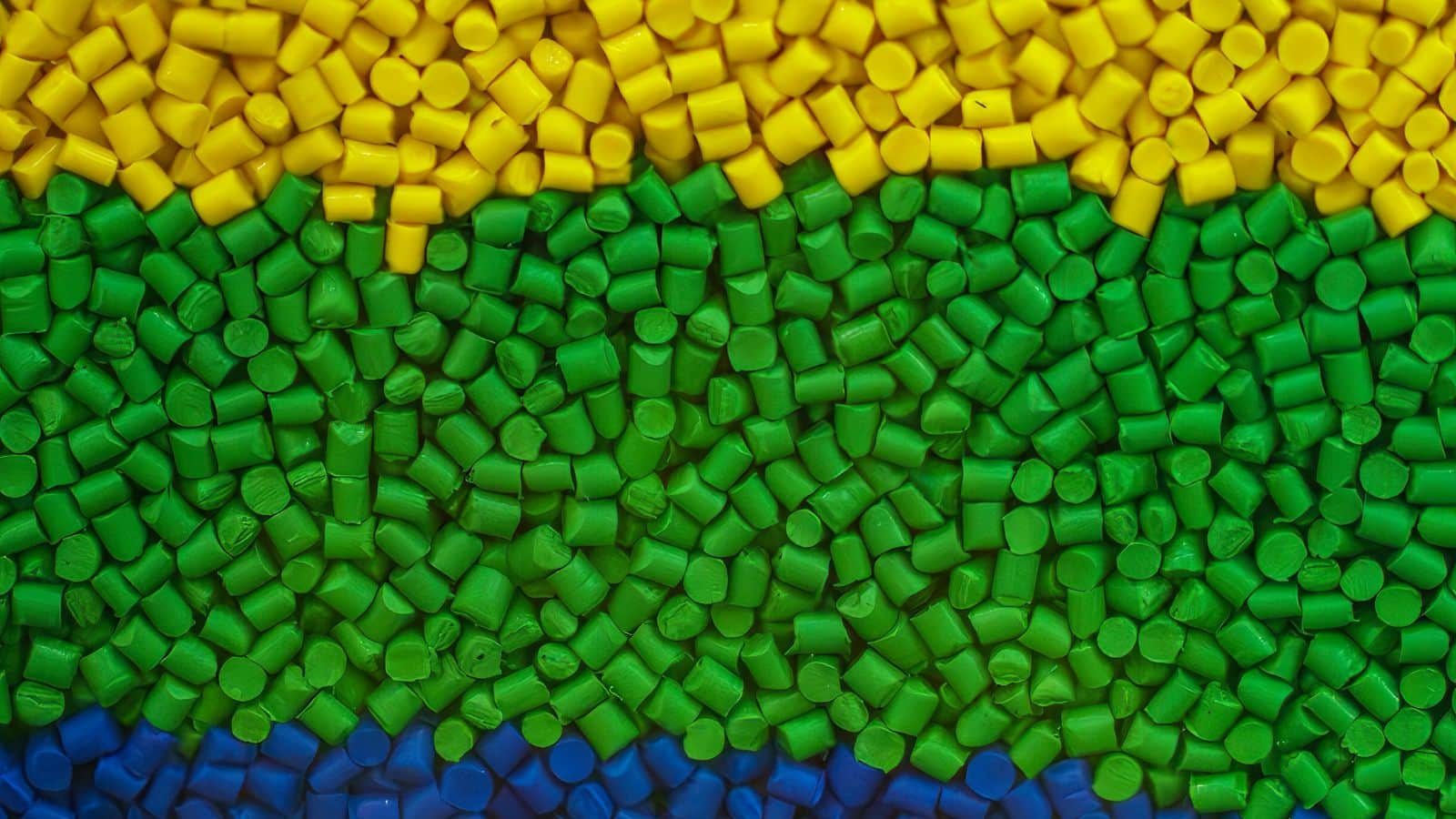
Most injection molded packaging uses commodity or engineering-grade thermoplastics. The table below summarizes the resins seen most often in packaging work:
| Resin | Key Properties |
|---|---|
| Polypropylene (PP) | Chemical resistant, lightweight, FDA-compatible |
| High Density Polyethylene (HDPE) | Impact resistant, moisture barrier |
| Polystyrene (PS) | Rigid, clear or opaque, low cost |
| Polyethylene Terephthalate (PET) | Clear, strong, recyclable |
| Acrylonitrile Butadiene Styrene (ABS) | Tough, good surface finish |
| Polycarbonate (PC) | High clarity, impact resistant |
Polypropylene and HDPE dominate food and consumer packaging due to their combination of safety, processability, and cost.
Choosing Materials For Food, Medical, And Industrial Use
Each end-use sector imposes distinct material requirements:
- Food packaging. The resins used in food packaging are strictly regulated around the globe for the potential health influence. Polypropylene and HDPE are the most common choices for food containers and closures because they resist moisture, chemicals, and temperature extremes.
- Medical device packaging. For equipment that sees repeated uses, their materials must withstand sterilization methods such as ethylene oxide (EtO), or autoclaving. Polycarbonate and certain grades of polypropylene meet these demands while providing the clarity and toughness needed for device trays and housings.
- Industrial packaging. Durability under mechanical stress, UV exposure, and chemical contact drives material selection. HDPE and ABS are frequent choices for returnable containers, bins, and protective enclosures.
Recycled and Sustainable Packaging Options
Sustainability goals and cost controls are increasingly influencing material decisions in packaging. Several approaches are gaining traction:
- Post-consumer recycled (PCR) resins. Recycled HDPE and PET are now available in grades suitable for injection molding, reducing virgin plastic consumption.
- Bio-based plastics. Polylactic acid (PLA) and bio-based polyethylene are biodegradable and offer lower carbon footprints, though they may have processing or performance limitations.
- Lightweighting. Optimizing wall thickness reduces material use per part without sacrificing structural performance.
Sustainable packaging decisions involve tradeoffs. PCR resins may introduce slight color or property variations. Bio-based plastics may cost more or require different processing parameters. Evaluating these tradeoffs against brand commitments and end-of-life infrastructure are the integral parts of a practical sustainability strategy.
Typical Products and Industry Applications
Now that we have gone through the benefits and materials of Injection molded packaging solutions, it’s time to cover the broad range of product types we offer. The process serves virtually every sector that requires consistent, high-volume rigid packaging.
Containers, Trays, and Storage Formats
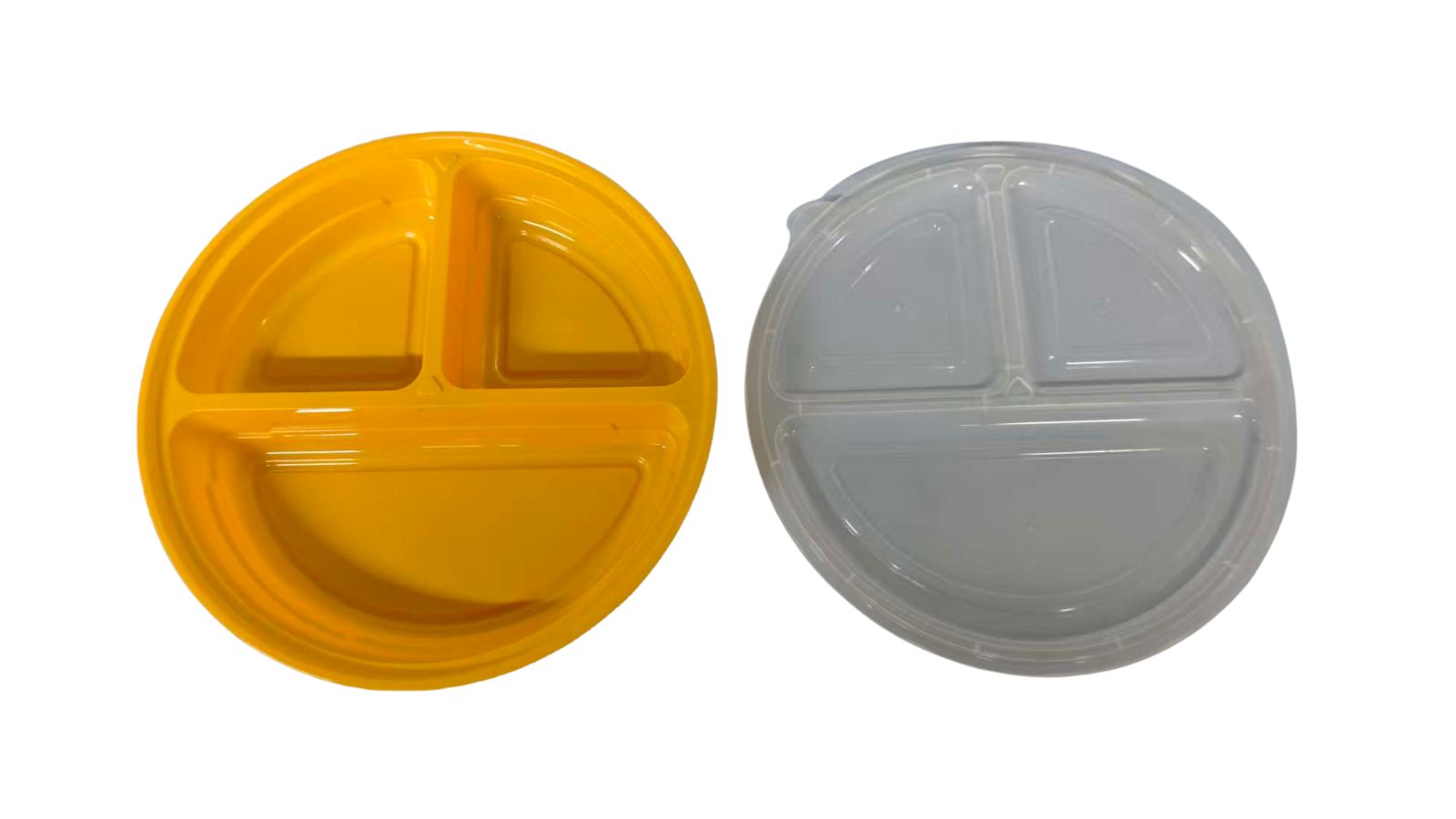
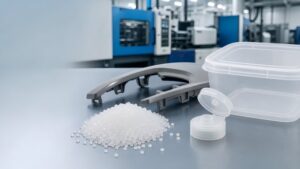
Injection molded containers are among the most common packaging formats. Thin-walled food containers, deli cups, dairy tubs, and produce trays are produced in high volumes using multi-cavity molds and fast cycle times.
Storage containers for household and industrial use rely on injection molding for durability and consistent stacking performance. Thick-walled bins and totes are designed for repeated use over years.
Trays and inserts for electronics, cosmetics, and medical devices provide precise compartmentalization that protects products during shipping and display.
Caps, Closures, and Bottle Components
Caps and closures represent one of the highest-volume applications for injection molding in the packaging industry. Bottle caps, flip-top closures, tamper-evident bands, dispensing spouts, and dropper inserts are all produced this way.
Thread accuracy is critical, because a closure that does not seal properly can compromise product freshness, safety, or compliance.
Retail and Logistics
Retail packaging benefits from the surface finish and branding options that injection molding provides. Cosmetic compacts, lipstick cases, and premium food packaging often use injection molded shells with textured or high-gloss finishes.
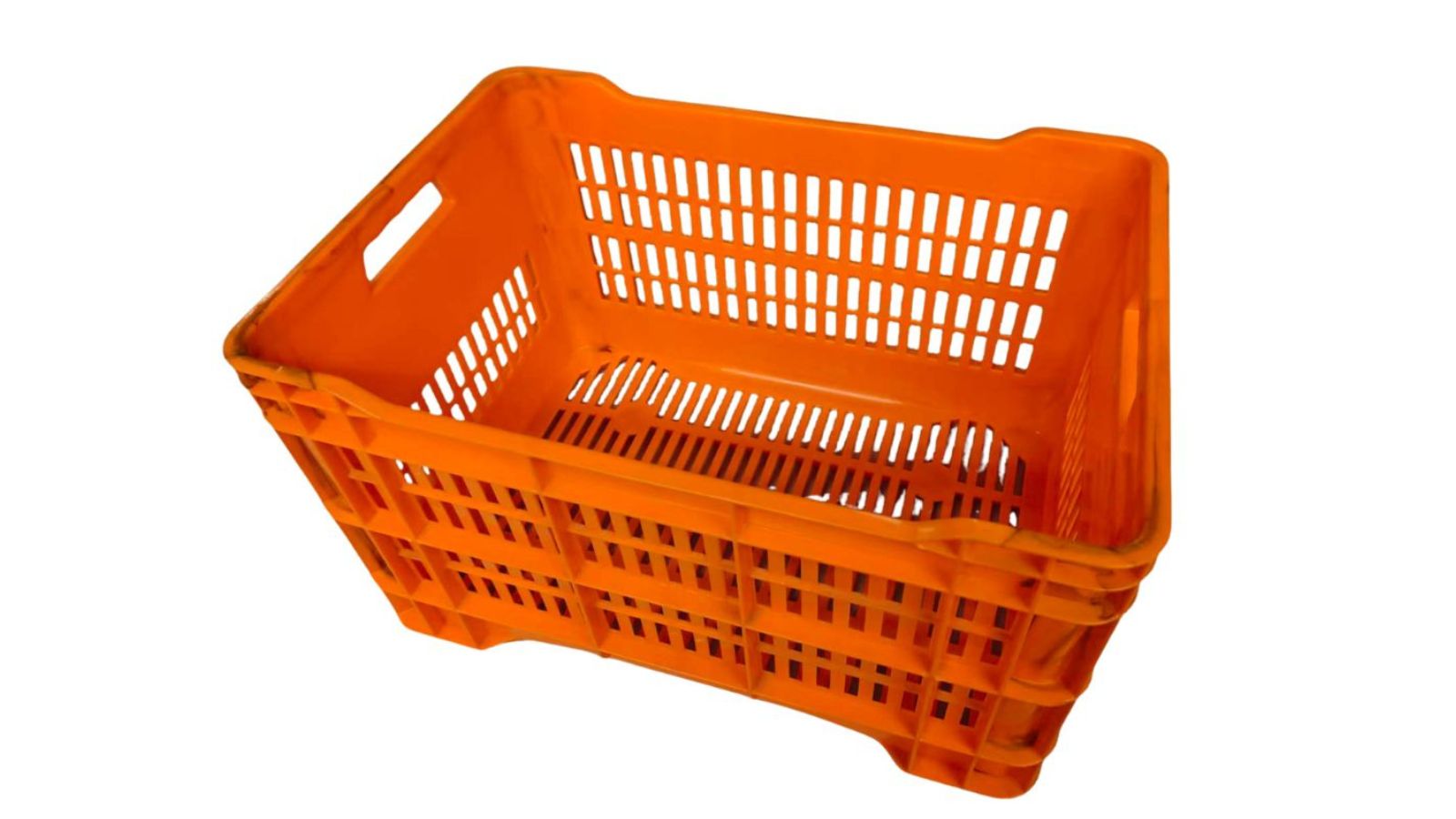
In logistics, injection molded turnover boxes, pallets, crates, and returnable transport packaging (RTP) systems reduce damage rates and offer long service lives compared to single-use alternatives.
Specialty Packaging Uses
Moldie can also go beyond standard solutions, and produce a series of specialty packaging with our in-house mold design team and a wide range of material selection.
(1) Child-resistant closures
They are commonly used in pharmaceutical and household chemical packaging. By adding complex shapes that are available to injection molding, they prevent children from accessing dangerous chemicals and medications.
(2) Medical Device Trays or Enclosures
These components require exact mold cavity dimensions to securely house delicate medical instruments or diagnostic kits. When produced with high-performance resins like polypropylene or specialty polymers, these enclosures provide an excellent moisture and sterile barrier, protecting sensitive medical devices or pharmaceutical components from environmental degradation.
(3) Battery housings for consumer electronics
Batteries and power cells can be dangerous hazards without proper housing, and injection molded housing protects them by employing flame-retardant polymers such as PC/ABS blends to create custom enclosures that keep high-density power cells safe.
(4) Seed and agricultural product containers
Containers in the agricultural supply chain must withstand harsh outdoor environmental conditions, including prolonged UV exposure, moisture, and extreme temperature fluctuations. This calls for heavy-duty, UV-stabilized HDPE bulk bins and pails that feature reinforced load-bearing walls and reinforced ribs for long-term bulk storage.
(5) Containers in cold storage systems
Plastic equipment will be required to endure deep-freeze temperatures without becoming brittle. The injection molding process accommodates these strict clinical needs by utilizing high-performance polycarbonates or PP.