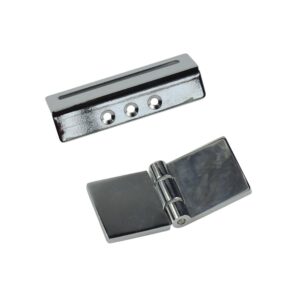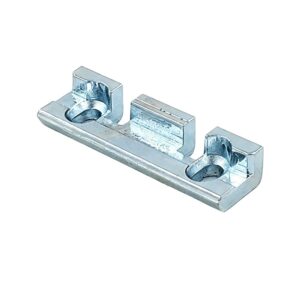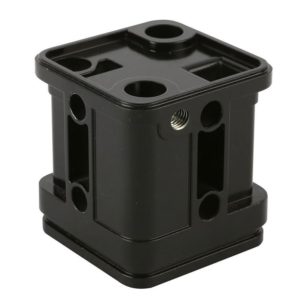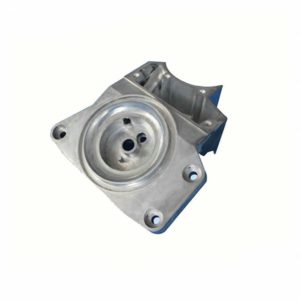
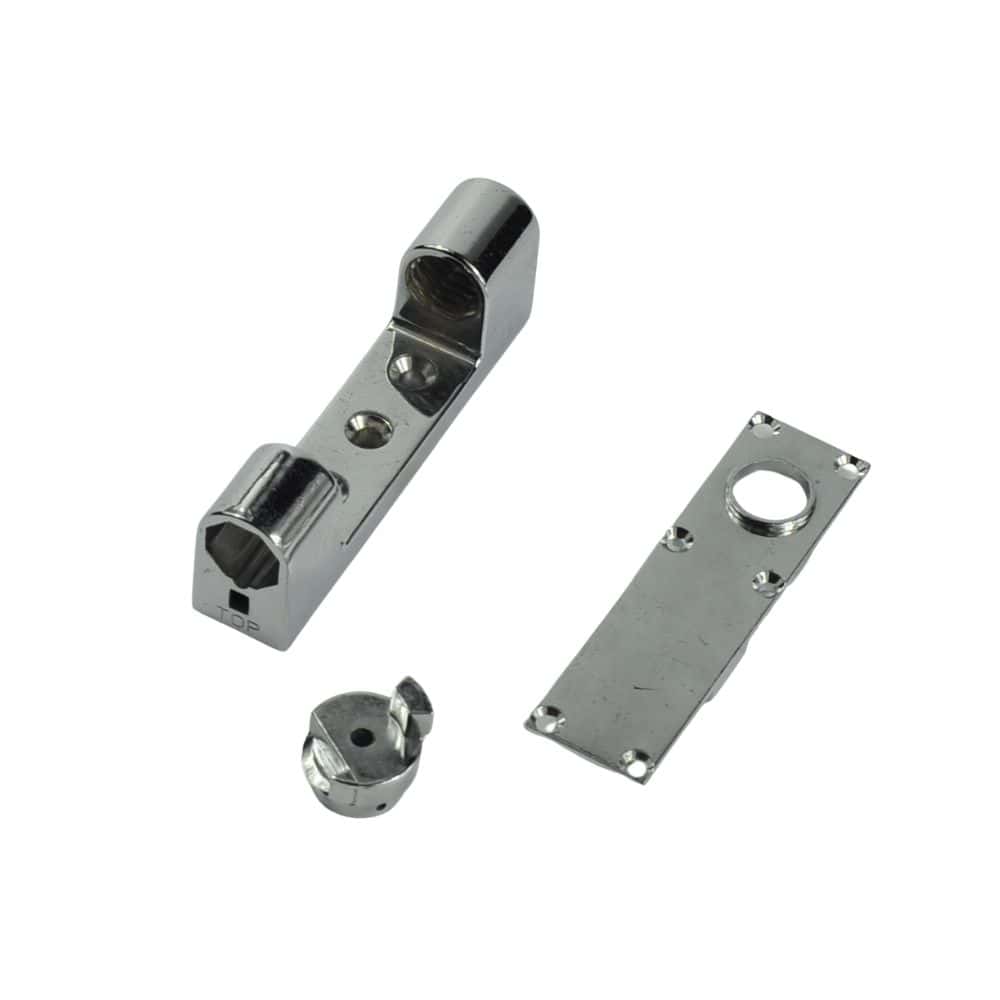
Zamak lock components often need secondary work after they leave the die—trimming, blasting, or a painted or electrocoated film. This page still starts with the mold: DFM, CNC of the die, and tryout. Those later part operations are listed only so they are not mistaken for mold-steel treatment.
What this mold is for
The tooling casts the Zamak lock component on the drawing, including any cores or slides the lock body needs. Trim, shot blast, electrocoat, or paint come after the shot, on the part. Alloy is a part callout; die steel and heat treatment are not mixed into that callout.
Tooling scope
- DFM that includes how the lock will be trimmed or blasted later, so overflow and gate locations are practical
- Parting, gates, runners, overflows, vents, and ejection, plus cores or slides where the lock geometry needs them
- CNC of cavities and cores and assembly of the die
- Tryout shots used to confirm both as-cast dimensions and that later part finishing can still be applied
Materials note
Call the part alloy zinc alloys as specified for the part, or Zamak when that is what the title and drawing use. Use tool steel with appropriate hardness for die casting dies in the mold. Do not treat part-alloy hardness or surface treatments as mold-steel heat treatment. Vibratory finishing, shot blasting, electrocoating, and painting remain part secondary operations, exactly as they were already described on the live page.
Send the lock-component files, alloy callout, volume, and which secondary part operations apply. This page had no trade-term table; commercial mold terms are given on the quotation.