By definition, overmolding is a manufacturing process where one material is molded over another to create a single, bonded part with combined properties. This injection molding process shapes the way many everyday products feel and perform, but there is much more to it than this simple definition. This article will explain to you the main process types, why you should choose overmolding, and the materials that work best together.
Types of Overmolding for Plastic Injection
Manufacturers use several overmolding processes based on part design, material choice, and production volume. The most common approaches differ in how they place and bond materials during the molding cycle.
Two-Shot Molding
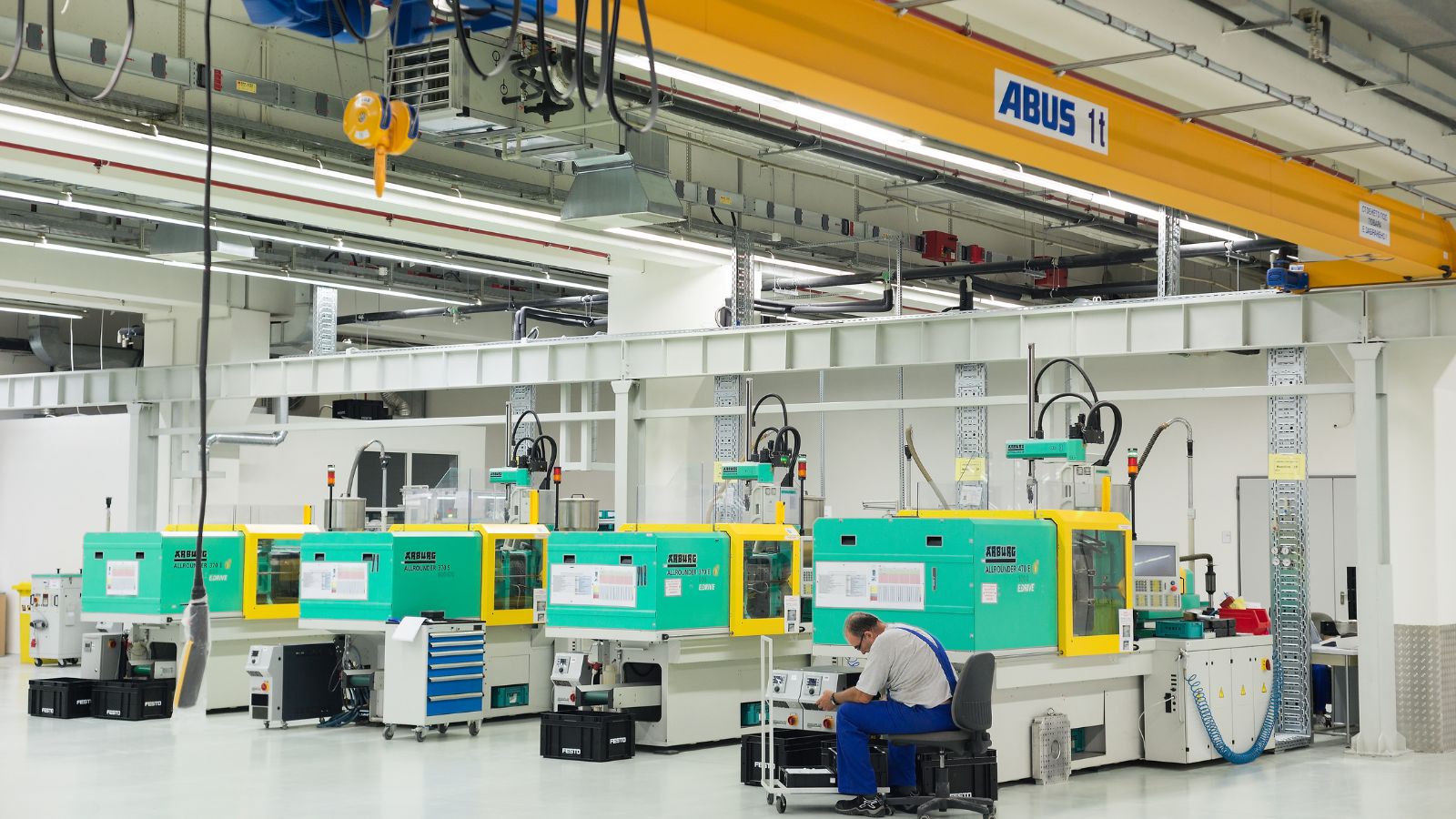
Two-shot molding uses one injection molding machine with two injection units. The first shot forms the base part. The mold then rotates or slides, and the second shot adds a new material over or around the first layer.
This method keeps both steps inside one automated cycle. It improves alignment and reduces handling errors. Automation also supports high-volume production because the machine runs without manual transfer.
Manufacturers often use two-shot molding to combine rigid plastic with a soft elastomer. A toothbrush handle with a hard core and soft grip is a common example. The process also works for multi-color parts made from similar plastics.
Tooling costs are higher because the mold is more complex. However, the fast cycle time and repeatability make it cost-effective for large production runs.
Insert Molding
Insert molding places a preformed component into the mold before injecting plastic around it. The insert can be metal, plastic, or another solid part.
The molding machine then injects material that flows around the insert and locks it in place. This bond can be mechanical, chemical, or both. Screws, threaded bushings, and electrical pins often serve as inserts.
Insert molding reduces secondary assembly steps. It improves strength because the plastic forms tightly around the insert during molding.
Operators may load inserts by hand for low production volume. For higher output, manufacturers use robotic systems to improve automation and consistency.
Multi-Shot Molding
Multi-shot molding extends the two-shot concept. It uses three or more material injections in one molding cycle.
The machine may use rotating platens or indexing molds to move the part between shots. Each shot adds a new layer, color, or material feature. This setup allows designers to build complex parts with soft grips, seals, and rigid frames in one process.
Multi-shot molding supports high-volume production when demand justifies the higher tooling cost.
Material compatibility remains critical. Each added layer must bond well and withstand the heat of later shots. When designed correctly, multi-shot molding creates durable, multi-material components in a single automated system.
Overmolding Materials and Their Applications
Manufacturers choose overmold materials based on function, bond strength, and how well each material works with the base part. Common options include flexible elastomers, rigid engineering plastics, and specialty materials such as silicone and liquid silicone rubber.
Thermoplastic Elastomers (TPE, TPU)
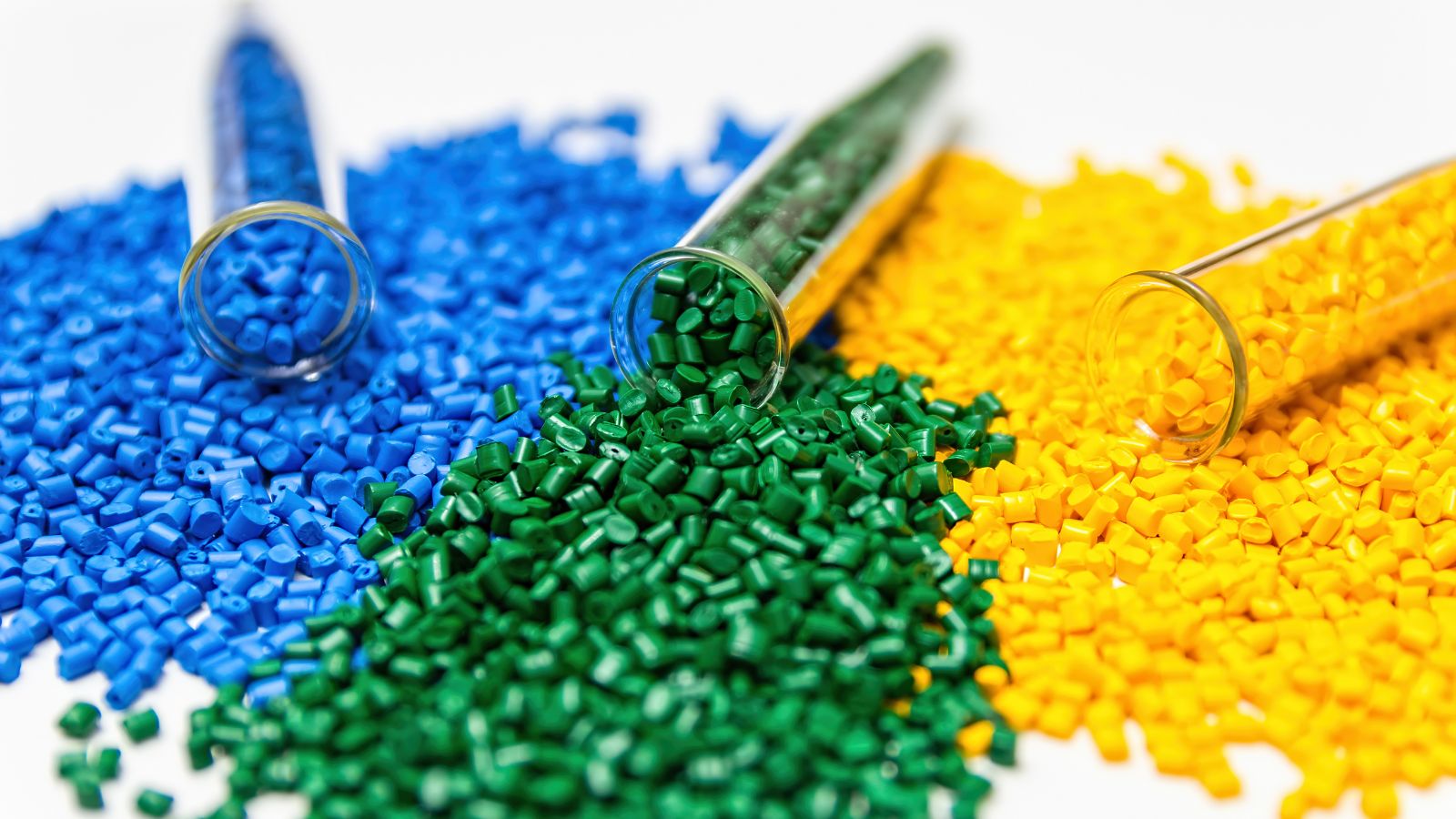
Thermoplastic elastomer (TPE) is one of the most common overmolding materials. It feels soft and flexible but processes like standard thermoplastics. Manufacturers often mold TPE over rigid plastics such as polypropylene (PP), polycarbonate (PC), nylon, and ABS (acrylonitrile butadiene styrene).
TPE improves grip and comfort on handles, tools, and consumer products. It also adds light sealing and vibration control. Many grades bond well to polypropylene (PP) and ABS, which reduces the need for adhesives.
Thermoplastic polyurethane (TPU) is a type of thermoplastic elastomer known for higher abrasion and tear resistance. It provides better chemical resistance than many standard TPE grades. Designers often select TPU for power tools, medical devices, and parts exposed to oils or repeated wear.
Key advantages of TPE and TPU include:
- Soft-touch feel for enhanced grip.
- High impact resistance and durability.
- Short molding cycle times for better efficiency.
- Recyclability within thermoplastic systems.
Material choice depends on required hardness, flexibility, and bond performance with the substrate.
Specialty Materials: Silicone, LSR, and Others
Silicone and liquid silicone rubber (LSR) serve applications that require heat resistance and long-term flexibility. Unlike TPE, silicone maintains stable properties across a wide temperature range.
Manufacturers use liquid silicone rubber (LSR) in medical, automotive, and electronic products. It resists moisture, UV light, and many chemicals. LSR also provides reliable sealing performance.
Silicone does not always bond naturally to rigid plastics like polycarbonate (PC) or nylon. In many cases, manufacturers add primers or design mechanical interlocks to secure the overmold material.
Other specialty overmolding materials include high-performance thermoplastics or thermoset rubbers. Engineers select them when standard TPE or TPU cannot meet strength, temperature, or chemical resistance requirements.
Why Choose Overmolding? Advantages of overmolding
Manufacturers rely on this process when a single material simply cannot meet all the complex physical requirements of a product. This approach effectively lowers manufacturing complexity by achieving multiple material properties without adding secondary assembly steps.
Enhanced Ergonomics and Grip
Applying a soft outer layer over a hard core dramatically improves user comfort and handling. This creates a highly secure hold on medical devices, consumer products, and hand tools. Users gain significantly better tactile control, especially in wet or oily conditions where standard hard plastics would easily slip.
Superior Durability and Impact Resistance
The specialized outer layer actively functions as a protective cushion for the rigid core. It absorbs unexpected shock, dampens operational vibration, and protects the internal structure from accidental drops. As a result, overmolded parts boast a much longer lifecycle because the design actively shields vulnerable areas from continuous wear and tear.
Advanced Sealing
Overmolding excels at insulating parts and creating built-in gaskets directly onto a rigid housing. Designers can mold highly specific physical features—such as sealing lips, grooves, and compression ribs—straight into the soft outer layer. When the final product is closed or assembled, these specialized features physically compress to form an impenetrable barrier against moisture, dust, and environmental debris.
This integrated design strategy drastically reduces the number of potential leak paths in a product. It also completely eliminates the time-consuming manual installation of separate rubber gaskets on the assembly line. Furthermore, the soft overmold layer reliably covers delicate gaps and fortifies the interface between different components.
Applications of Overmolding in Industry
Manufacturers use overmolding to combine rigid and soft materials into one durable part. This method improves grip, sealing, insulation, and impact resistance in demanding products.
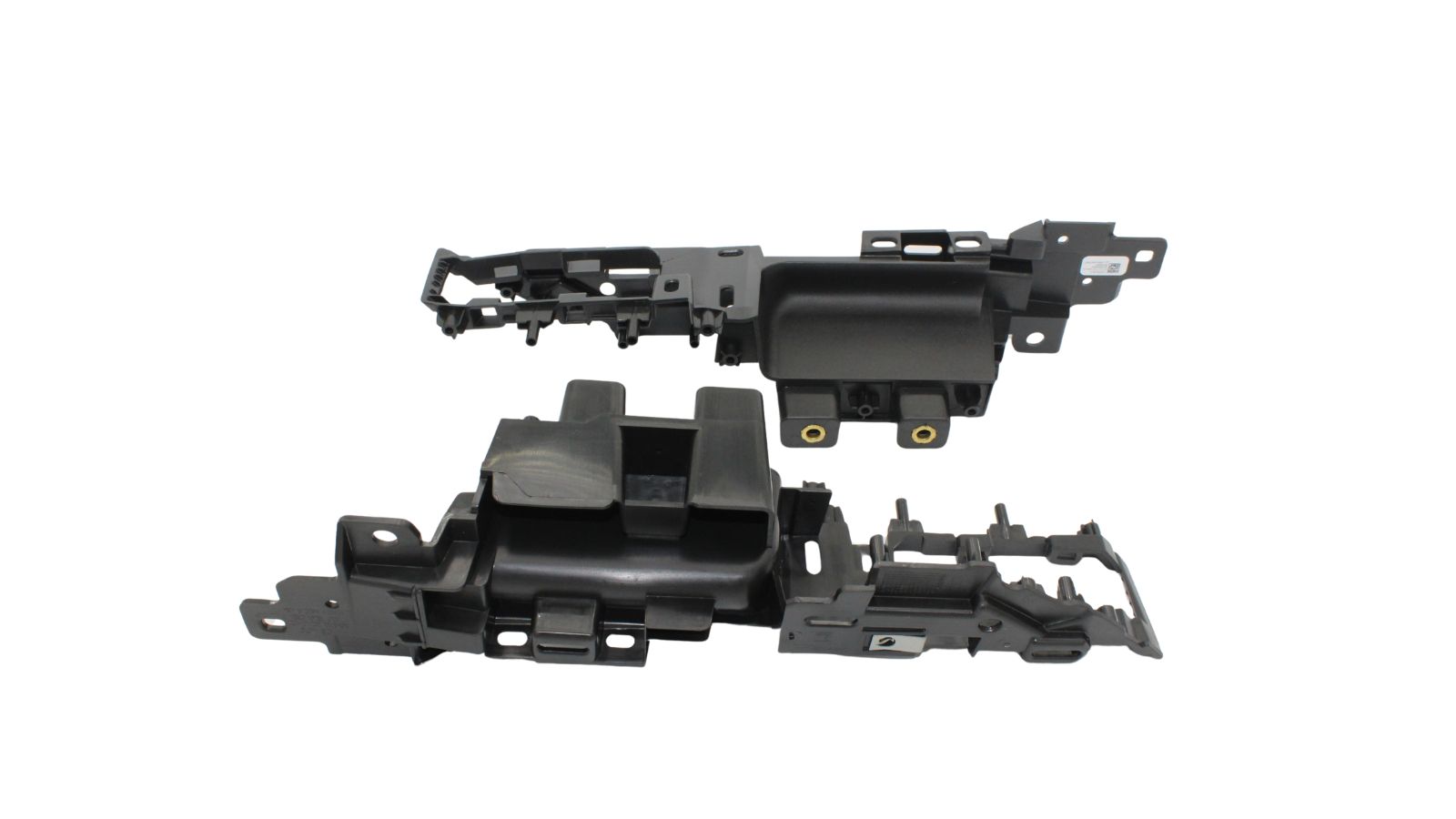
Automotive and Industrial Components
Automotive parts often face heat, vibration, moisture, and chemicals. Overmolding helps protect key areas while improving user contact surfaces.
Common overmolding applications in vehicles include:
- Electrical connectors and sensor housings
- Control knobs and handles
- Seals and gaskets
- Wire harness components
Many designs use a metal insert as the base. The process molds plastic or elastomer over aluminum, brass, or steel to add insulation and corrosion resistance. This approach also reduces assembly steps because the molded layer locks the insert in place.
Industrial tools use overmolded parts for grip and safety. Power tool handles often combine rigid plastic with thermoplastic elastomer (TPE). The soft outer layer reduces slip and improves control.
In harsh settings, sealed overmolded housings protect electronics from dust and water. Proper material choice and bond strength prevent layer separation under stress.
Consumer Electronics and Connectors
Electronics require tight seals and reliable insulation. Overmolding forms protective layers directly around internal components.
Manufacturers apply overmolding to:
- USB and data connectors
- Charging cables
- Switches and control buttons
- Wearable device housings
The molded layer adds strain relief where cables meet connectors. This design reduces wire breakage from bending. It also improves grip and impact resistance for handheld devices.
Many products follow UL overmolding standards for electrical safety. These standards check insulation, flame resistance, and material performance. Using approved materials helps meet compliance rules in regulated markets.
Clear or colored elastomers can also improve product appearance. At the same time, the bonded structure keeps moisture and dust away from sensitive circuits.
Medical Devices and Healthcare
Medical devices must meet strict safety and hygiene rules. Overmolding supports both function and comfort.
Common uses in medical devices include:
- Syringe components
- Surgical tool handles
- Diagnostic equipment grips
- Catheter hubs and connectors
Overmolding also seals joints and gaps. This design limits fluid entry and supports easier cleaning. Some devices use a rigid core with a soft outer layer to protect patients from sharp edges.
Manufacturers select materials that resist chemicals and sterilization methods. Strong bonding between layers ensures the overmolded parts remain intact after repeated use or cleaning cycles.
Manufacturing, Tooling, and Cost Factors
Overmolding requires careful mold design, higher tooling investment, and tight process control. Production volume, automation level, and material choice all shape total cost and manufacturability.
Tooling Design and Costs
Overmolding tooling is more complex than single-shot injection molds. Most projects use either two separate molds with part transfer or a two-shot mold that molds both materials in one machine cycle.
Two-shot molds cost more because they include rotating platens or index plates. They also require precise shut-off areas to control material flow and bonding.
Typical cost drivers include:
- Mold complexity and presence of undercuts.
- Steel selection (e.g., P20 vs. H13 or stainless).
- Number of cavities required for production.
A simple single-cavity overmold tool may cost $8,000–$15,000, while complex multi-cavity or two-shot tools can exceed $40,000–$80,000.
Design teams must also plan for alignment features, mechanical bonding details, and venting. Poor mold design increases scrap, weak bonding, and flash.
Quality control adds cost as well. Operators inspect parts for delamination, short shots, and cosmetic defects. Tight tolerance control improves consistency but increases machining time and setup effort.
Prototyping and Production Scalability
Prototyping helps teams test bonding strength, material compatibility, and part fit before full production. Many manufacturers start with low-volume aluminum tooling or manual part transfer to reduce early tooling costs.
This approach lowers risk during design changes. It also improves manufacturability before high investment.
Automation reduces labor cost and improves repeatability. Robots move substrates between shots with consistent timing and placement.
Higher volumes justify multi-cavity molds and hardened steel tools. These raise upfront tooling costs but lower per-part cost through faster cycle times and reduced labor.
Careful planning links tooling strategy to expected production volume. This prevents overbuilding the tool for small runs or underbuilding it for long-term programs.
Partner with Moldie for Your Next Overmolding Project
Overmolding is a powerful manufacturing process, but achieving the perfect bond, flawless ergonomics, and cost-effective production requires expert engineering and precise tooling. At Moldie, we specialize in transforming complex, multi-material designs into high-quality, durable components.
Whether you need rapid prototyping to test material compatibility, precision tooling for complex two-shot molding, or scalable high-volume production, our experienced team is here to guide you from concept to final product.
Don’t leave your product’s performance to chance. Contact Moldie today to discuss your overmolding requirements, consult with our engineering experts, and request a custom, competitive quote for your project!