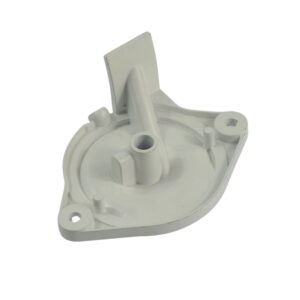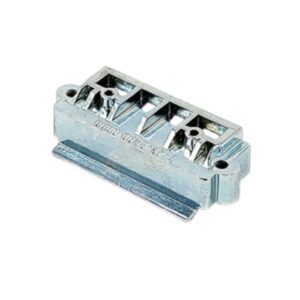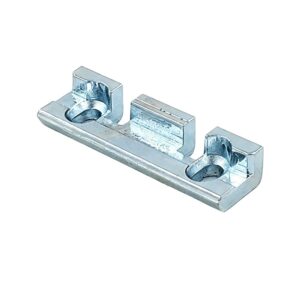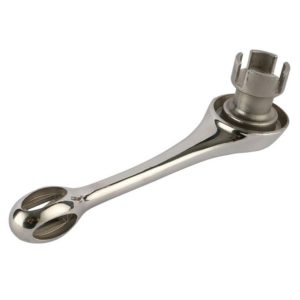
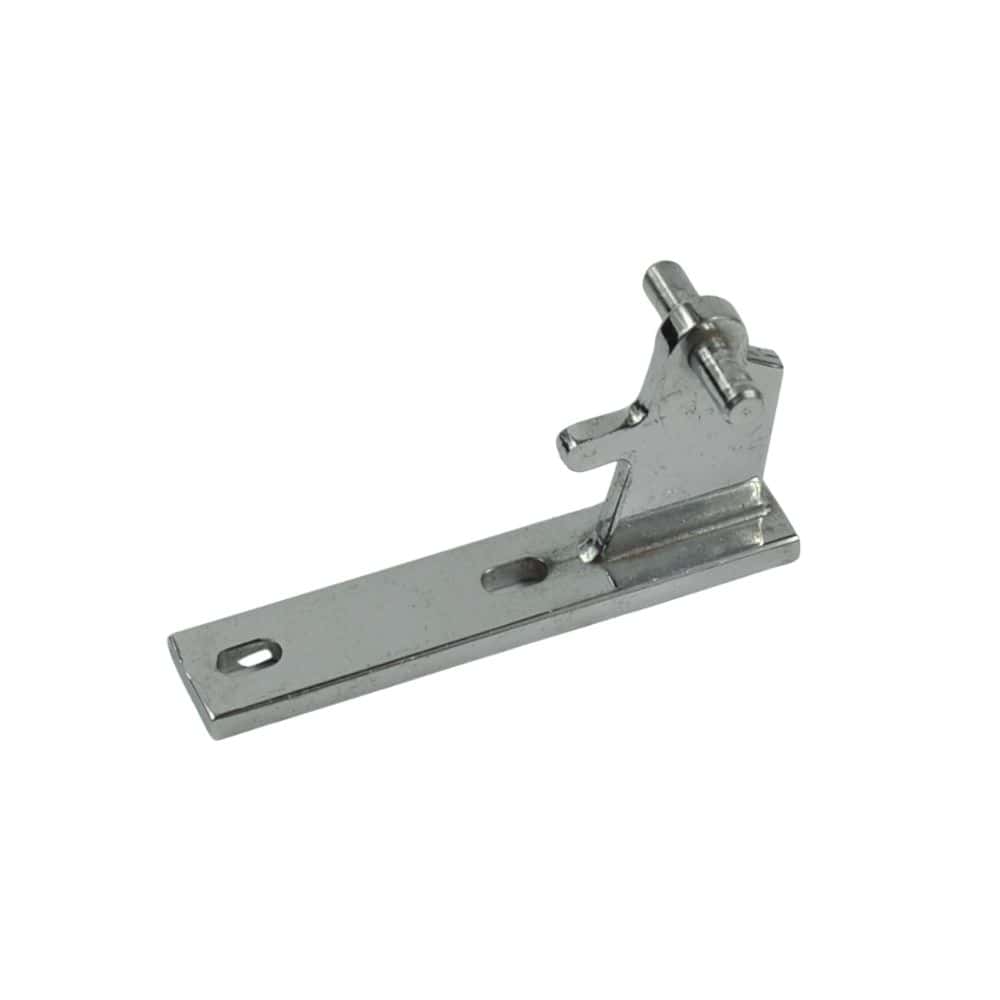
Bathroom fittings are judged on visible faces as much as on function. This page is the mold program for a Zamak fitting of that kind: DFM that protects show surfaces, CNC work on the die, and tryout against the fitting drawing—not a display of finished taps or rosettes.
What this mold is for
The die casts the Zamak bathroom fitting shown on your drawing. Show faces, joint lines, and fixing points are part geometry. We keep plating or polishing instructions on the part side of the specification so they are not confused with how the die is heat treated.
Tooling scope
- DFM that looks at fill and flow marks on show faces, and at junctions where a fitting body changes section
- A parting and gating plan that keeps witness lines off critical visible areas where the drawing allows it, plus runners, overflows, vents, and ejection
- CNC of the cavity and core, with fitting aimed at a clean split on the fitting form
- Tryout samples checked against the fitting drawing, including points that matter for later plating
Materials note
Name the fitting alloy as zinc alloys as specified for the part, or Zamak when that is the callout. Build the die from tool steel with appropriate hardness for die casting dies. Do not treat part-alloy hardness or surface treatments as mold-steel heat treatment. Galvanizing and satin chrome stay on the list of part surface treatment options for the fitting.
A useful mold inquiry includes the fitting model, alloy callout, volume, and which faces will be plated or polished. Mold prices and lead times are given on the quotation only.