While our previous guide covered zinc die casting broadly, this blog will focus on the most common family of zinc die-casting alloys: Zamak, which is a zinc-based metal made with aluminum, magnesium, and copper, and it is used mainly for die casting precise parts. This article aims to explain to you its basics, properties, applications, and common questions that come up during material selection.
What Is Zamak Alloy?
Brief History of Zamak
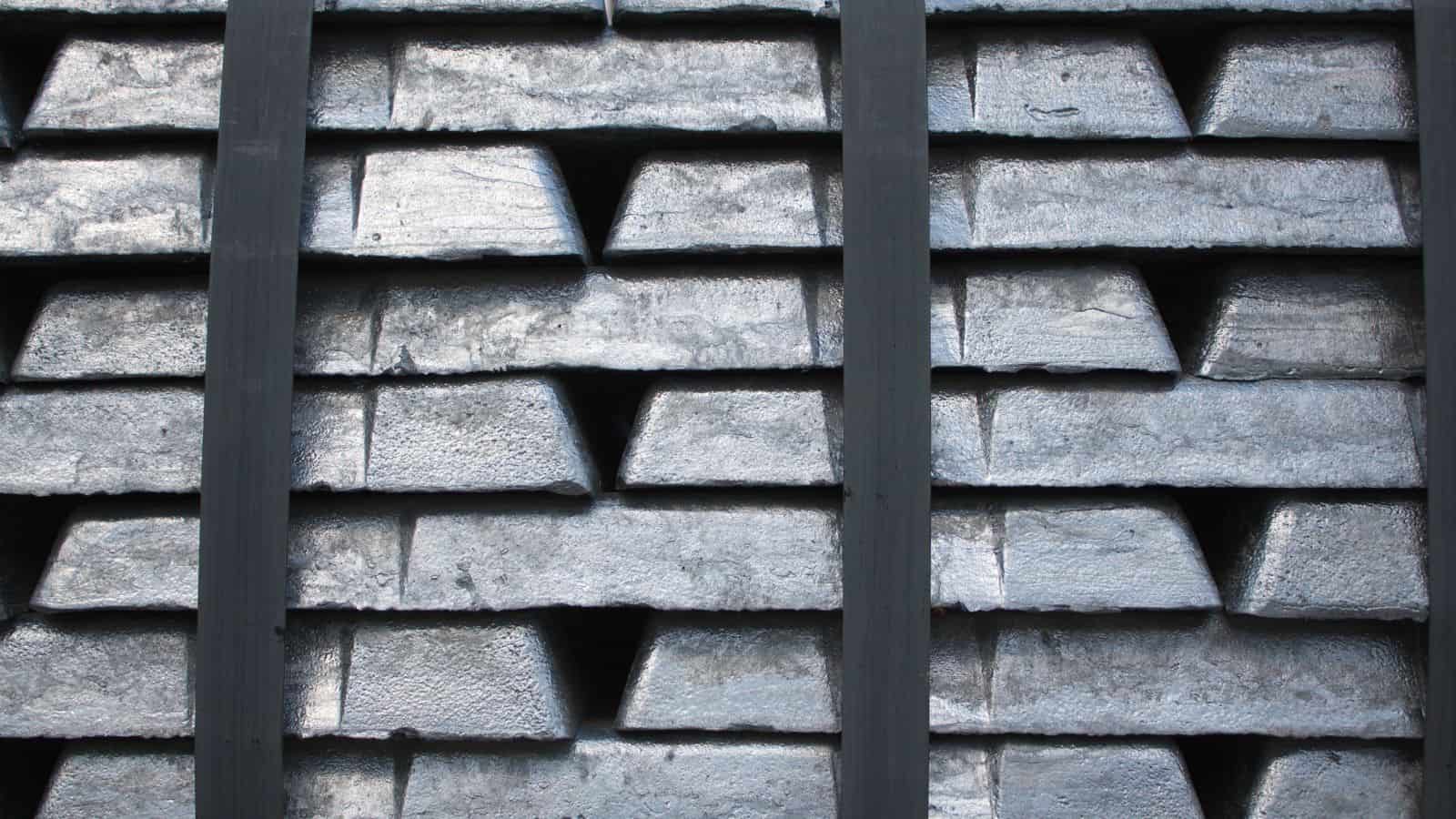
Developed in 1929 by the New Jersey Zinc Company, Zamak is designed to avoid traditional zinc casting failure due to impurities that caused cracking and swelling. The name “Zamak” (some regions spell it “zamac”) comes from the German words for its metals: zink (zinc), aluminum, magnesium, and kupfer (copper).
In Europe, the term “EN Zamak” often appears in technical standards. These standards helped make zamak alloys consistent across suppliers and countries, which increased trust in zinc alloy cast parts.
Types of Zamak Alloy: Composition and Grades
The alloys used in Zamak die casting contain mostly zinc, with a fixed aluminum level of about 4%. There would also be small amounts of magnesium and copper to fine-tune strength, hardness, and castability.
Common zamak grades include Zamak 2, 3, 5, and 7. Zamak 3 is the most widely used because it balances strength, stability, and surface quality. Zamak 5 adds more copper for higher strength, while Zamak 2 offers the highest strength but less flexibility. Zamak 7 is a high-purity variant of Zamak 3, with even lower levels of magnesium and impurities.
| Grade | Key Feature | Typical Use |
|---|---|---|
| Zamak 3 | Balanced properties | General die casting |
| Zamak 5 | Higher strength | Load-bearing parts |
| Zamak 2 | Maximum strength | Tooling and dies |
| Zamak 7 | High fluidity, corrosion resistance | Thin-walled, decorative parts |
Comparison With Other Zinc Alloys
Zamak belongs to the wider family of zinc alloys, but it differs from other zinc-aluminum alloys. Its aluminum content stays constant, unlike ZA alloys, which contain much more aluminum.
This stable mix makes zamak easier to cast in hot chamber machines. It also reduces shrinkage and improves dimensional accuracy. Many zinc-based alloys cannot match this consistency.
Compared to other zinc alloys, zamak offers a better surface finish and simpler processing. Designers often choose it when parts need tight tolerances, thin walls, and reliable plating.
Mechanical and Physical Properties
Zamak alloys combine moderate strength, good ductility, and stable physical behavior. These traits make them reliable for precision die-cast parts that need consistent size, surface quality, and predictable performance.
Strength and Hardness
Zamak alloys offer solid mechanical properties for zinc-based materials.
- Tensile strength (how much pulling force it can take before breaking): ranges from about 250 to 360 MPa, depending on grade and copper content.
- Yield strength (the point where it bends permanently instead of springing back): usually falls between 190 and 300 MPa, which supports parts under steady loads.
These strength statistics, although certainly not as high as those of steel, are still better than those of plastics and remain competitive against other aluminum casting alloys.
Hardness increases as copper content rises. Grades like Zamak 5 and Zamak 2 show higher hardness and better wear resistance than Zamak 3.
The strength-to-weight ratio remains lower than aluminum, but Zamak compensates with good creep resistance for room‑temperature service, especially in higher‑copper grades.
Ductility and Elongation
Ductility varies widely across Zamak grades. Elongation (the measured amount it can stretch before breaking) can range from about 2% in high‑copper alloys to 10–12% in more ductile grades like Zamak 7.
Higher ductility helps thin walls fill cleanly during casting. It also reduces cracking around sharp details and ejector marks. Grades with lower copper content usually perform better in this area.
In contrast, lower ductility trades flexibility for strength, which is for resisting deformation under load but tolerates less bending.
Density and Specific Heat
Zamak alloys have a density of roughly 6.6–6.8 g/cm³. This density gives parts a solid feel and improves vibration damping, but it also increases weight compared to aluminum alloys.
The specific heat (a measure of how much energy is needed to raise a material’s temperature) of Zamak is lower than aluminum. As a result, parts heat and cool quickly during die casting.
Higher density affects shipping weight and inertia in moving parts. Designers often accept this trade‑off when surface finish, detail, or dimensional control is more important.
Thermal and Electrical Conductivity
Zamak shows moderate thermal conductivity, lower than aluminum but higher than many steels. This allows heat to spread evenly during casting, which helps reduce hot spots and internal stress.
Meanwhile, its electrical conductivity remains limited compared to copper or aluminum, so it is rarely used for current‑carrying parts.
The combination of low melting temperature and stable heat flow protects tooling. It also improves surface quality by reducing thermal shock and uneven cooling across complex shapes.
Dimensional Stability, Machinability, and Surface Finish
Zamak alloys provide excellent dimensional stability over time. Parts resist warping and size drift well, which benefits precision assemblies.
It also has excellent machinability. Zamak cuts cleanly, forms smooth edges, and causes low tool wear. Many parts need little or no machining after casting.
Good stability also improves plating and finishing results, as uniform surfaces and consistent geometry help maintain cosmetic quality across high‑volume production runs.
Advantages and Limitations of Zamak
Zamak alloy offers strong casting performance, good surface quality, and stable dimensions. It also brings limits in heat and structural load, while supporting recycling and lower energy use in production.
Key Advantages of Zamak Alloy
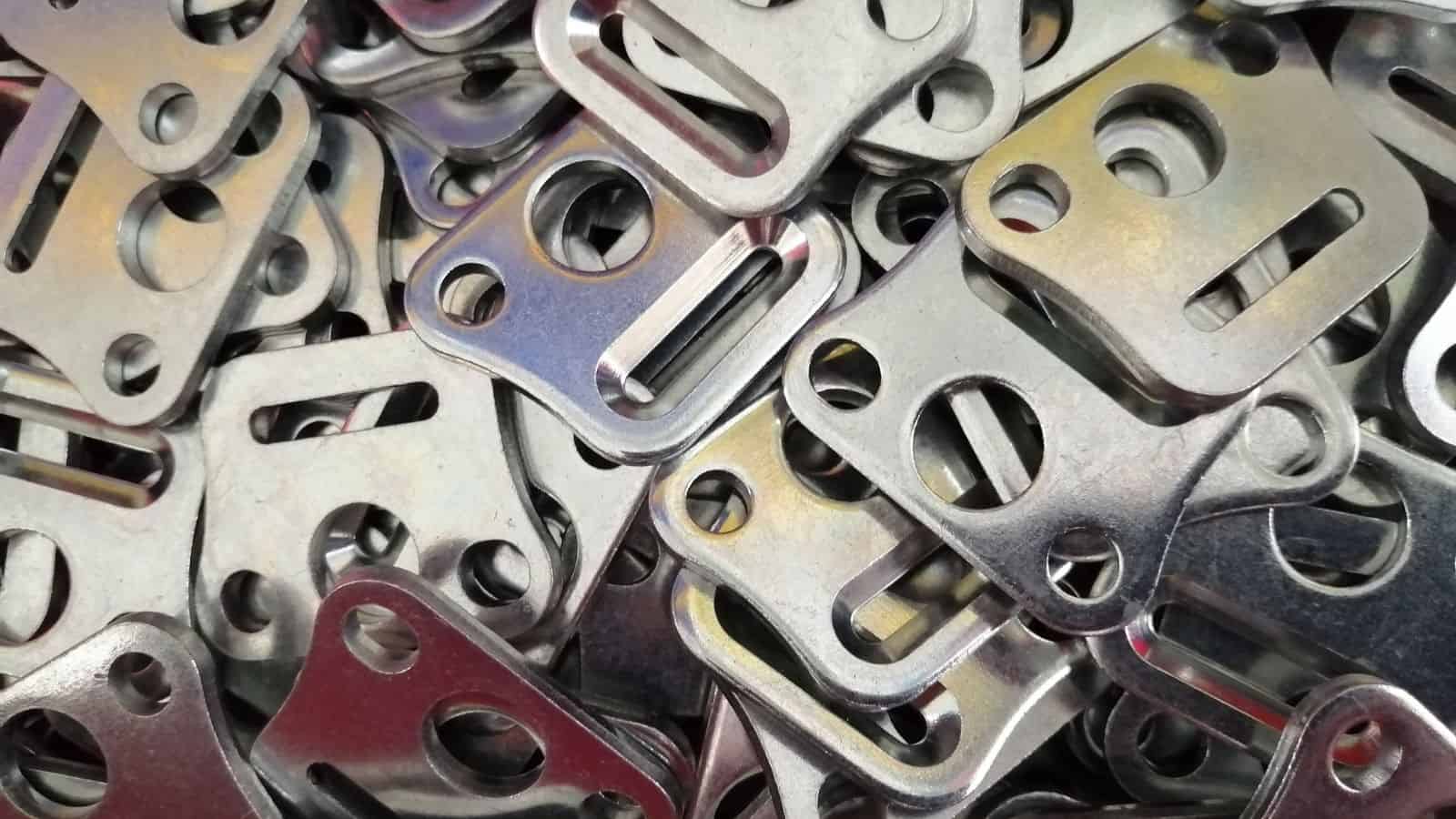
In the last chapter, we have talked about how the properties of Zamak benefit the casting process. Here is a summary for a quick scanning.
Limitations in Structural or High-Temperature Uses
Despite all the advantages, Zamak isn’t the solution to all die casting challenges. Its low melting point restricts use in high-temperature areas. Most grades perform poorly above about 100°C in long-term service.
The alloy also lacks the strength needed for heavy structural loads. It cannot replace steel or aluminum in frames or load-bearing parts. If put under constant stress with heat, creep will still occur.
Thermal cycling can cause gradual size changes. Repeated heating and cooling may affect tight fits over time. Engineers often counter this by designs that allow for expansion and contraction.
Although surface treatments can increase its resistance to a certain extent, this alloy is more prone to corrosion under harsh chemicals or constant salt exposure.
These limits make material selection and part design critical.
Major Applications of Zamak Alloy
Automotive Components
Automakers use Zamak for small to mid-sized automotive components that need tight tolerances because of the efficient die casting process and repeatable quality.
What’s more, Zamak resists corrosion and handles daily wear well, which suits interior and under-hood uses. It also accepts plating and coatings that improve appearance and surface protection.
Common automotive parts made from Zamak include:
| Component Type | Typical Use |
|---|---|
| Door handles | Interior and exterior trim |
| Lock housings | Security and access systems |
| Brackets | Mounting and support roles |
| Emblems | Branding and trim details |
Consumer Goods and Electronics
Manufacturers of consumer goods rely on Zamak for strength, weight, and clean surface finish. The alloy supports polished, painted, or plated finishes for visible products.
Electronics makers use Zamak for housings and frames that protect internal parts. The alloy adds rigidity without large weight increases. It also supports precise assembly, which matters for buttons, connectors, and alignment features.
Typical consumer and electronics uses include:
- Appliance knobs, handles, and lock parts
- Cosmetic packaging parts
- Small device enclosures
- Furniture hardware
A Quick Summary: How to Choose Zamak for Your Project
Choose Zamak if your project prioritizes:
-
High-volume production of small-to-medium precision parts.
-
Excellent surface finish and dimensional accuracy straight from the mold.
-
Fast, energy-efficient manufacturing cycles.
-
Detailed, thin-walled geometries.
-
A cost-effective alternative to plastics or aluminum.
Selecting a Grade:
- Zamak 2: Mechanical strength and hardness, accepting lower ductility.
-
Zamak 3: The default for most general-purpose applications.
-
Zamak 5: Increased strength, hardness, and wear resistance.
-
Zamak 7: Ductility and fluidity for complex, thin-walled parts.
Use these alternative methods if your project requires:
-
Aluminum die casting or steel for very high strength or load-bearing structural components
-
Specialty Zinc Alloys (ZA-8) for service in high-temperature environments (above ~100°C / 212°F).
-
Magnesium die casting for the lowest possible weight.
-
Copper alloys/aluminum die casting for excellent electrical conductivity.
The guidelines above provide a starting point, but every project has unique requirements. If you are still unsure about the choice, it is recommended to consult with a professional die-casting engineering team.
Ready to make the right choice? Contact a die-casting specialist today for your project today.
Frequently Asked Questions
What are the primary components of Zamak alloys?
Zamak alloys use zinc as the base metal. Aluminum, magnesium, and copper are added in small amounts.
Aluminum increases strength and helps the metal flow during casting. Magnesium improves stability, while copper raises hardness and wear resistance.
How does the melting point of Zamak compare to other die-casting metals?
Zamak melts at about 380–390°C. This temperature is much lower than aluminum die-casting alloys, which melt above 570°C.
The lower melting point reduces stress on molds. It also supports faster casting cycles and longer tool life.
Can Zamak alloys be used for outdoor applications?
Zamak can work outdoors when designers apply the right protective finish. Plating, paint, or powder coating helps block moisture and corrosion. However, uncoated Zamak does not perform well in wet or salty conditions. Proper surface treatment is critical for outdoor use.
How do Zamak alloys respond to various finishing techniques?
Zamak accepts many finishes due to its smooth cast surface. Common options include chrome plating, nickel plating, paint, and powder coating.
The alloy holds fine details during polishing and plating. This trait makes it popular for decorative and visible parts.