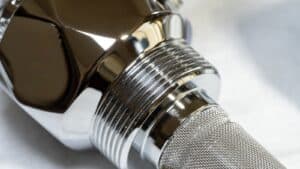
Aluminum parts are one of the most universally produced casting products in manufacturing, and plating them improves the surface performance, which is especially important in industries such as aerospace, electronics, and energy. The process is a form of metal surface treatment that involves coating an aluminum surface with another metal to form a barrier.
In this article, we at Moldie will demonstrate the technical process of aluminum plating from materials selection and surface preparation to plating methods and applications so as to guide you through the selection of aluminum plating services based on your specific needs.
How to Select Metallic Materials Used in Aluminum Plating
Pure Aluminum vs. Aluminum Alloys
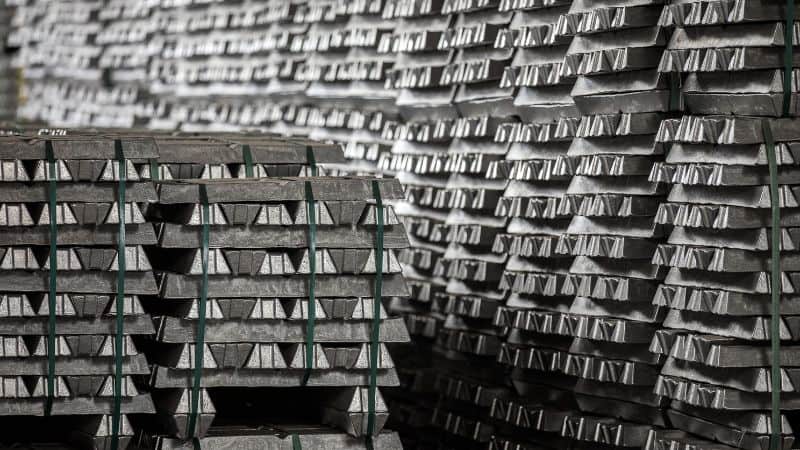
Pure aluminum has a good natural resistance to corrosion, but it is relatively soft, and the natural aluminum oxide film can’t adequately protect the metal from saltwater, acid, or high humidity. Manufacturers often use aluminum alloys that mix aluminum with zinc, magnesium, copper, or silicon to improve mechanical strength and wear resistance. These compounds also change how easily a part can accept a plated coating.
Alloys with zinc or magnesium often bond well with nickel or copper plating. In contrast, alloys with silicon or high copper content may require more surface preparation to prevent poor adhesion. The differences in thermal expansion among alloying elements also influence plating quality and uniformity.
The choice between pure aluminum and an aluminum alloy depends on function:
- For decorative or low-stress parts, pure aluminum may be enough.
- For components exposed to friction, load, or moisture, structural aluminum alloys are preferred.
Selection of Plating Metals
Platers use several metals to coat aluminum, depending on the purpose. Common options include:
| Plating Metal | Key Benefits | Common Uses |
|---|---|---|
| Nickel | Corrosion and wear resistance, improve surface hardness | Aerospace, automotive |
| Copper | Excellent base layer for other platings, also highly conductive. | Electrical components |
| Tin | Solderability and conductivity | Electronics, connectors |
| Silver | High electrical and thermal conductivity | Power contacts |
| Gold | Chemical stability and corrosion resistance | Precision electronics |
Nickel and copper serve as barrier layers to isolate aluminum from reactive surroundings. Tin and silver improve conductivity, while gold provides a protective surface in sensitive applications. The chosen plating metal must balance cost, thickness, appearance, and the environment in which the part operates.
Surface Preparation for Aluminum Plating
Cleaning and Degreasing
Cleaning removes grease, oil, polishing compounds, and shop dirt from the aluminum surface. Mechanical, ultrasonic, or solvent cleaning often comes first to dislodge heavy residues. Afterward, parts usually soak in a mildly alkaline, non-etch cleaner to remove remaining debris without damaging the metal.
A well-cleaned part appears uniform and free from visible film. Even slight residues at this stage can cause poor adhesion or blistering after plating.
Etching and Deoxidizing
After cleaning, a thin aluminum oxide layer on the surface must be removed to expose active metal. Etching can be done with alkaline or acid solutions depending on alloy type and desired finish.
- Alkaline etch: Common for general work; removes oxide quickly but can produce surface “smut” from insoluble alloying metals. Operators adjust temperature, time, or concentration to control etch depth.
- Mild alkaline or acid etch: Used for delicate or polished surfaces to limit metal loss. Acidic formulations with nitric or hydrofluoric acids may also improve adhesion for electroless nickel plating.
A deoxidizing or desmutting step follows to dissolve the smut. Solutions often contain nitric, sulfuric, or ferric-based acids. The treated surface should appear uniformly whitish, indicating it is active and ready for zincating. Proper rinsing after deoxidizing prevents unwanted reactions in the next stage.
Zincate Treatment
Zincating deposits a thin, adherent zinc layer on the clean aluminum to promote bonding with the plated metal. In a typical process, parts are immersed in a zincate solution containing zinc oxide, sodium hydroxide, and complexing agents. The zinc film replaces surface aluminum by chemical displacement.
For some alloys, a double zincate method improves adhesion. The first layer is stripped in a mild nitric solution, then a second zincate is applied to yield a dense and uniform coating. This approach is common for high-copper aluminum alloys or castings.
After zincating, parts are rinsed carefully and immediately proceed to electroless nickel or other plating to minimize reoxidation of the aluminum substrate.
When to Choose Certain Aluminum Plating Processes
Electroplating Methods
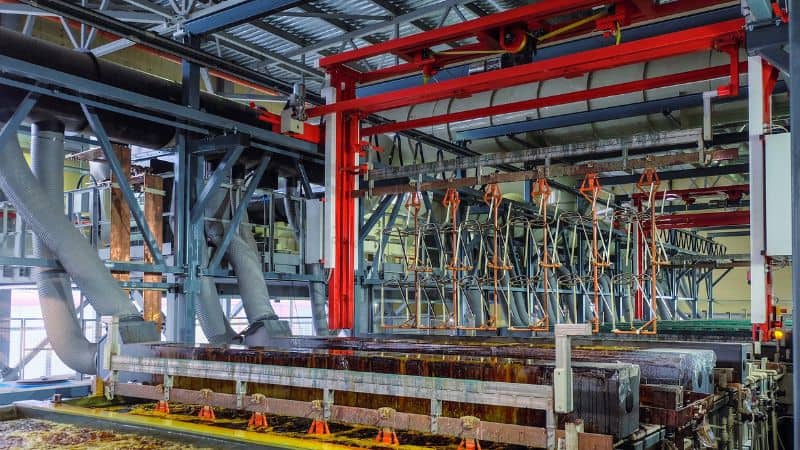
Electroplating deposits metal onto aluminum by passing an electric current through a solution containing metal ions. The process involves controlled parameters such as bath composition, pH, temperature, and current density. Small changes in these variables can affect coating thickness and adhesion.
Choose electroplating when you require a specific, metallic or alloy coating (like bright nickel, copper, silver, or gold) and have high-volume production needs.
It is the preferred method for applications demanding excellent electrical conductivity, solderability, or a decorative, mirror-like finish.
Electroplating is ideal for parts with relatively simple geometries where a targeted deposit thickness is needed, and when cost-effective processing of large batches is a priority.
Electroless Plating Techniques
Electroless plating uses a chemical reduction reaction instead of electrical current to deposit metal. The process depends on factors like solution temperature, pH, and reducing agent concentration to create uniform coatings, even on irregular or internal surfaces.
Electroless nickel plating is especially effective because it produces uniform coverage across complex shapes. The process coats edges, holes, and recesses evenly without electric current, reducing weak spots where corrosion often begins. What’s more, it often contains small amounts of phosphorus that contribute to better lubricity.
To sum up, electroless plating is more preferable when your aluminum component has a complex shape with deep recesses, internal passages, or intricate details. It is the best process for achieving a perfectly uniform coating thickness regardless of part geometry.
Vacuum Metallization
Vacuum metallization deposits metals such as aluminum, chrome, or nickel onto surfaces in a vacuum chamber. Instead of liquid chemistry, it relies on physical vapor deposition (PVD). The metal is heated until it vaporizes and condenses onto the aluminum part, forming a thin metallic film.
This method produces dense, well-adhered coatings with high compositional control over thickness and reflectivity. It works well for decorative finishes, optical devices, and protective coatings that need minimal contamination.
This method also has several advantages:
- No chemical waste or solution disposal.
- Strong adhesion when surfaces are pre-treated correctly.
- Consistent film thickness across large areas.
Therefore, vacuum metallization is better for an extremely pure, clean, and thin film coating with precise optical or electronic properties.
It is ideal for coating sensitive components that cannot be exposed to wet chemistry, for creating reflective or decorative finishes on temperature-sensitive substrates, and for applications where environmental sustainability (no liquid waste) is a critical concern.
Industrial and Specialized Applications
Aerospace & Automotive
In aerospace, electroless nickel plating on aluminum meets rigorous standards for certain structural parts, fasteners, and connectors. Critical attention must be paid to process control to prevent hydrogen embrittlement, especially when plating high-strength aluminum alloys. It ensures reliability under pressure and vibration while extending the service life of landing gear, engine housings, and composite structures.
For automotive, rail, and marine systems, plated aluminum protects components from rust, road salts, and seawater. It prevents pitting and degradation in brake lines, fittings, and mounting hardware.
The coating also improves lubricity, reducing friction in moving parts like actuators and piston housings without relying on external lubricants. This results in smoother operation, higher efficiency, and greater reliability.
Electronics & Energy
Aluminum plating improves electrical conductivity, electromagnetic shielding, and thermal management in electronics and energy systems. Thin, lightweight coatings are ideal for connectors, circuit housings, and bus bars, where controlling resistivity and corrosion is essential.
Its compatibility with substrates like copper, nickel, and steel supports high-density circuits and renewable energy components, including solar modules and battery systems.
In advanced optics and semiconductors, ultra-pure plating (≥99.99%) creates stable, reflective surfaces and reduces particle contamination in fabrication tools, enhancing both precision and equipment longevity.
Medical Applications
For medical applications, pure aluminum coatings can withstand repeated sterilization and exposure to bodily fluids without corroding.
The smooth, non-reactive finish allows for easy cleaning and minimizes contamination, meeting strict hygiene standards while maintaining a lightweight profile for both reusable and disposable instruments.
Moldie: A Manufacturer with Advanced Plating Technologies
Ultimately, successful aluminum plating is not a one-size-fits-all operation but a tailored solution, balancing technical requirements, cost-effectiveness, and manufacturability for specific application challenges in your project.
Selecting the optimal materials and processes for aluminum plating is a critical step in the production of metal die casting parts, and what you need is Moldie, a manufacturer with advanced plating technologies, dedicated production lines, and experienced crew.
Submit your part specifications or project challenges for further discussions, and discover how our dedicated technology and experience can optimize your plating outcome. Partner with Moldie today!
Frequently Asked Questions
Can plated aluminum components be repaired or re-plated if the coating was damaged in service?
Yes, in many cases, components can be stripped of their existing plating and re-plated, though this requires careful stripping processes to avoid damaging the underlying aluminum substrate. It is often more feasible with thick, durable coatings like electroless nickel than with very thin precious metal platings.
How do I specify plating requirements on an engineering drawing for an aluminum part?
Plating is typically specified using standards (e.g., ASTM, MIL, ISO) that call out the plating metal, thickness, and any required post-treatments. Critical areas may also need callouts for minimum thickness. It’s essential to collaborate with your plating provider to ensure the specification is manufacturable and meets the functional need.