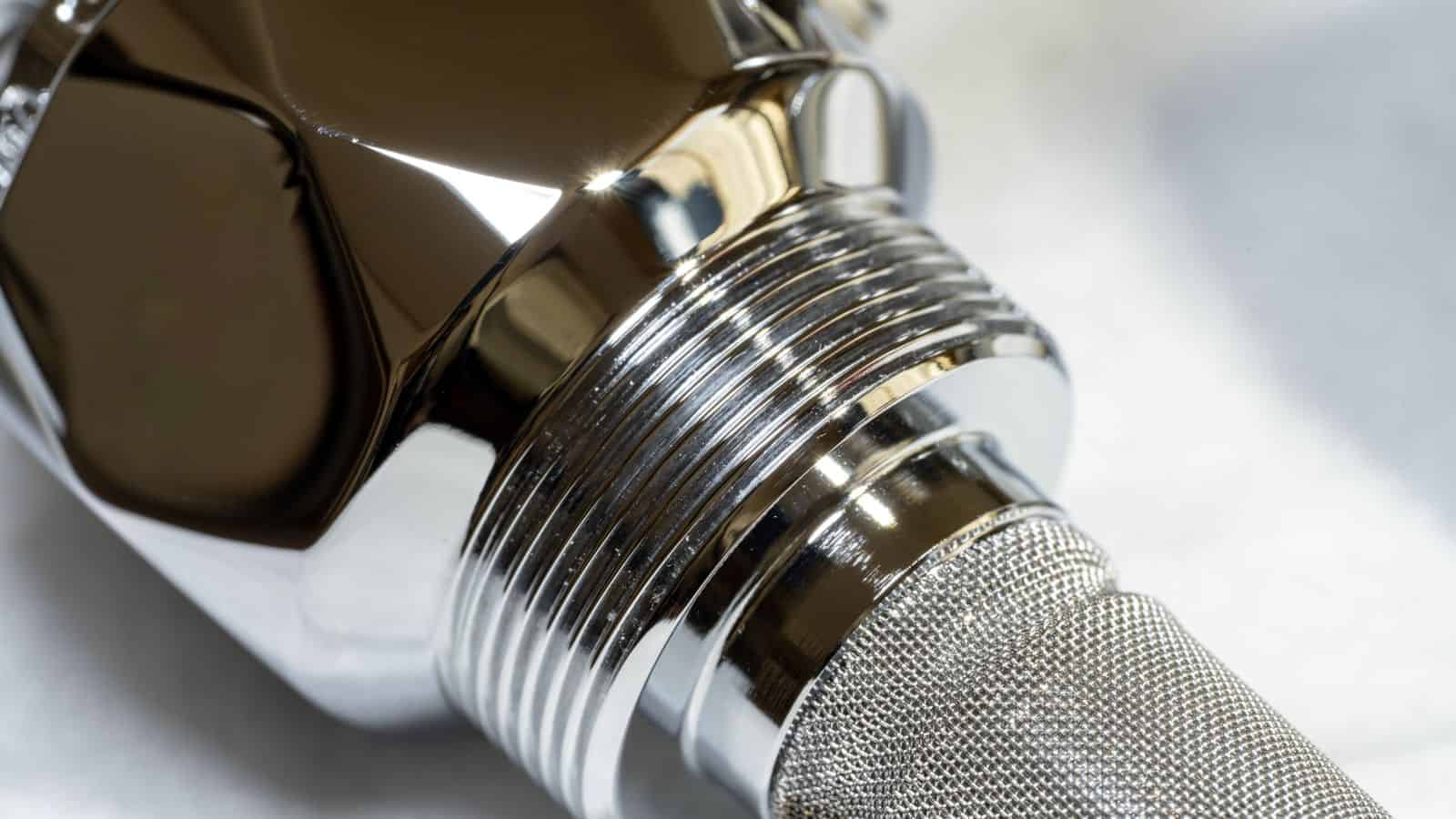
Chrome plating is a surface finishing process that uses electroplating to deposit a thin layer of chromium metal onto a part. In simple terms, this technique adds a hard, shiny, and corrosion-resistant skin to a component to improve its appearance, wear life, and protection.
For nearly 100 years, chrome plating has been used in many industries. In this guide, we explain what chrome plating is, how it works, the different types of chrome coatings, and how to choose the right option for your application.
Basics of Chrome Plating
Chrome plating applies the core electroplating process—using an electrical current to deposit metal ions from a solution—but focuses specifically on chromium as the coating metal. While the fundamental principles are the same, chrome plating has unique bath chemistries (like hexavalent or trivalent chromium systems) and process controls tailored for chromium’s properties.
Key Properties of Chrome Metal
Chromium metal gives chrome plating its useful traits. It creates a hard surface that resists scratches and wear. It also slows rust by blocking moisture and air.
Its most prominent properties include:
| Property | Why It Matters |
|---|---|
| Hardness | Reduces wear and surface damage |
| Corrosion resistance | Protects metal from rust |
| Low friction | Helps moving parts last longer |
| Bright finish | Improves visual appeal |
Chrome plating works on steel, aluminum, and some plastics. Many decorative parts also use nickel underlayers to improve shine and durability.
However, do note that chrome metal does not level surfaces. It follows the shape beneath it, including flaws. For this reason, surface prep matters.
History and Development
The development of chrome plating took off in the 1920s, building upon existing electroplating technology to solve specific needs. Its initial popularity surged in the automotive industry for bright trim before expanding into industrial hard chrome applications for wear resistance.
Over time, safety rules also changed the process. Many shops reduced hexavalent chromium use and adopted trivalent systems. These changes lowered health risks while keeping high performance.
Modern chrome plating now balances durability, appearance, and regulation. It remains a key surface treatment across automotive, industrial, and consumer products.
Types of Chrome Plating
In practice, when people ask “What is chrome plating?” They are usually referring to one of several types of chrome coatings. These types differ in thickness, appearance, and performance and are chosen based on the main goals.
Hard Chrome Plating
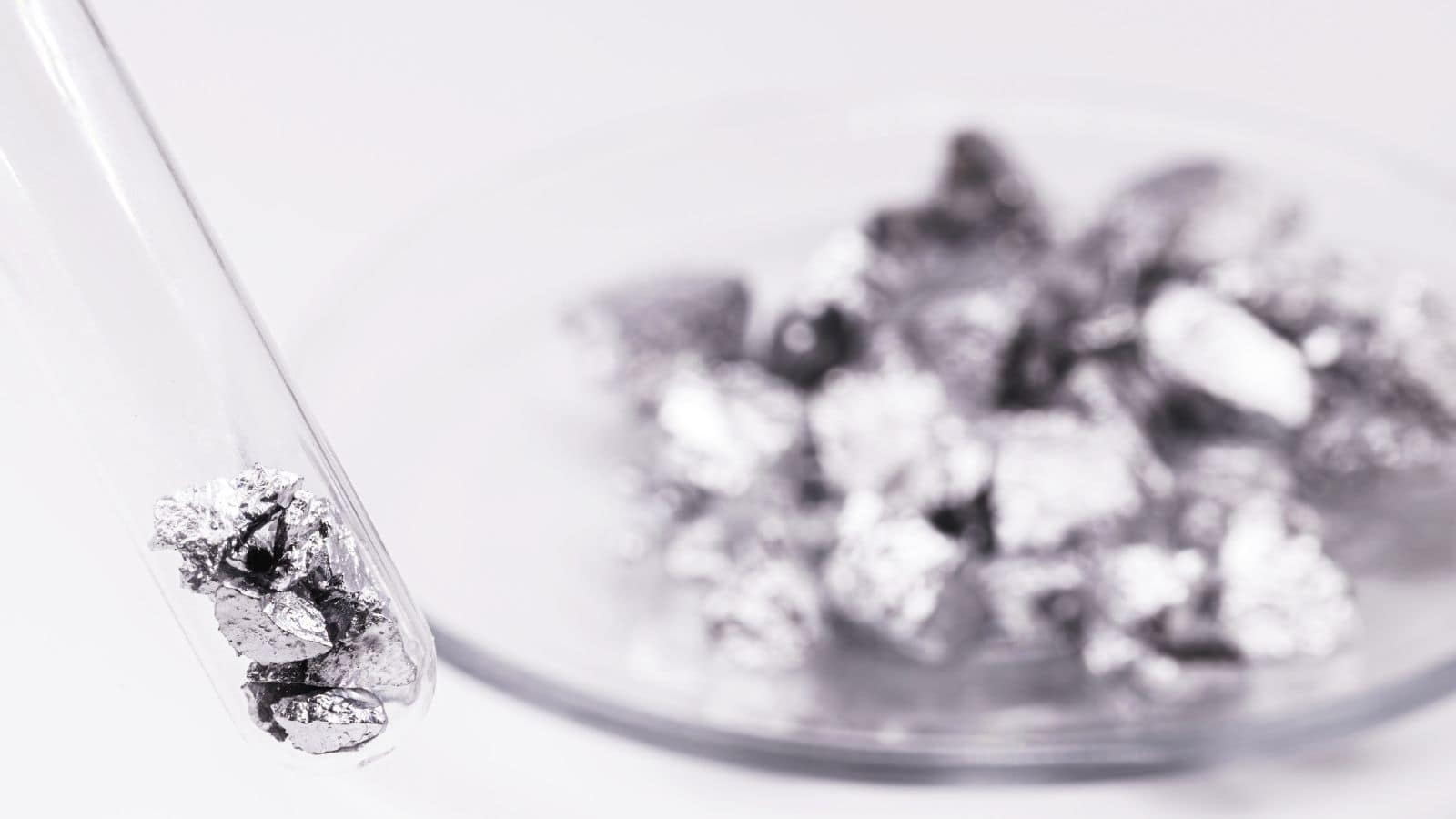
Hard chrome plating focuses on strength and wear control, not appearance. It applies a thick layer of chromium directly to steel or iron parts. Typical thickness ranges from 20 to over 200 microns, depending on use.
This type delivers high hardness and a low friction surface. These traits reduce wear, heat, and part failure under load.
Factories grind the coating to meet tight tolerances. Some systems use thin, dense chrome plating to achieve similar wear resistance with thinner, less cracked deposits.
Decorative Chrome Plating
Decorative chrome plating prioritizes appearance with light protection. It uses a very thin chromium layer, usually 0.3–0.5 microns, applied over nickel, which provides most corrosion resistance.
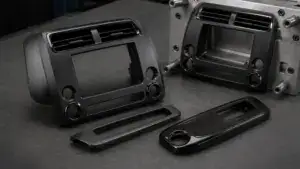
This process creates a bright, mirror-like finish. It works well on visible parts where looks matter more than load capacity. Common uses include car trim, faucets, furniture, and appliances.
This method relies on careful surface prep, because even small flaws could show through the thin coating. Both hexavalent and trivalent chromium plating systems can produce similar visual results when properly controlled.
Trivalent Chrome Plating
Trivalent chrome plating uses trivalent chromium (Cr III) instead of hexavalent chromium. It reduces health and environmental risks while meeting many regulatory limits. The process uses different additives and lower chromium content.
This type works best for decorative and light-duty functional parts. It produces a slightly warmer color tone than traditional chrome. However, thickness limits make it less suitable for heavy wear applications.
Many industries now choose trivalent chromium plating for consumer goods and automotive trim. It supports compliance with regulations such as REACH and RoHS, while still offering corrosion resistance when paired with proper underlayers.
Black Chrome Plating
Black chrome plating creates a dark, satin-to-matte finish. It deposits a chromium-based coating that appears charcoal or black, not glossy silver.
This type offers mild corrosion resistance and reduced glare. The finish also resists fingerprints better than bright chrome and is often applied over nickel or other base materials. It serves visual and functional roles but does not replace hard chrome for wear.
The Chrome Plating Process
Surface Preparation and Cleaning
Chrome plating follows the standard surface preparation principles used in electroplating (thorough cleaning, degreasing, and abrasion). A step particularly critical for chrome is the subsequent pickling or acid etching. This chemical treatment removes thin, passive oxide layers that can form on metals like stainless steel, ensuring the chromium bonds securely to a perfectly active surface.
Activation and Undercoating
After cleaning, the part moves into an activation bath. This brief chemical step keeps the metal surface reactive. Without activation, chrome adhesion weakens and may fail over time.
As mentioned above, many chrome plating jobs add an undercoat, and nickel plating is the most common choice. This undercoat improves corrosion protection and creates a smooth, stable base for chrome.
Some processes use a nickel strike, which is a thin, fast-deposited nickel layer. It helps difficult metals bond with later coatings. Decorative parts may also use copper before nickel, but nickel remains the key layer in most systems.
Electroplating Process
The actual electroplating process deposits chromium onto a metal part. The part sits in a chemical solution, and a direct current power supply drives chromium ions onto the surface.
There are a few key factors controlling the result:
- Voltage and current density affect thickness and uniformity
- Bath temperature influences deposit quality
- Plating time controls final chrome thickness
Decorative jobs often use flash chrome plating, which applies a very thin layer. Hard chrome applications run longer to build thickness for wear resistance.
Rinsing, Inspection, and Quality Control
Once plating ends, the part moves through multiple rinse tanks. These washes remove acid residue that could stain or corrode the surface. Some lines also use mild neutralizers to stop chemical activity.
After rinsing, the part dries with filtered air or low heat. Moisture left behind can mark the chrome or lead to corrosion during storage.
Inspection follows. Technicians check:
| Check Area | Purpose |
|---|---|
| Thickness | Confirms plating meets specs |
| Adhesion | Ensures layers bonded correctly |
| Surface finish | Finds pits, burns, or dull areas |
Only parts that meet all criteria move on to packaging or assembly.
Performances & Benefits of Chrome Plating
Corrosion Resistance and Durability
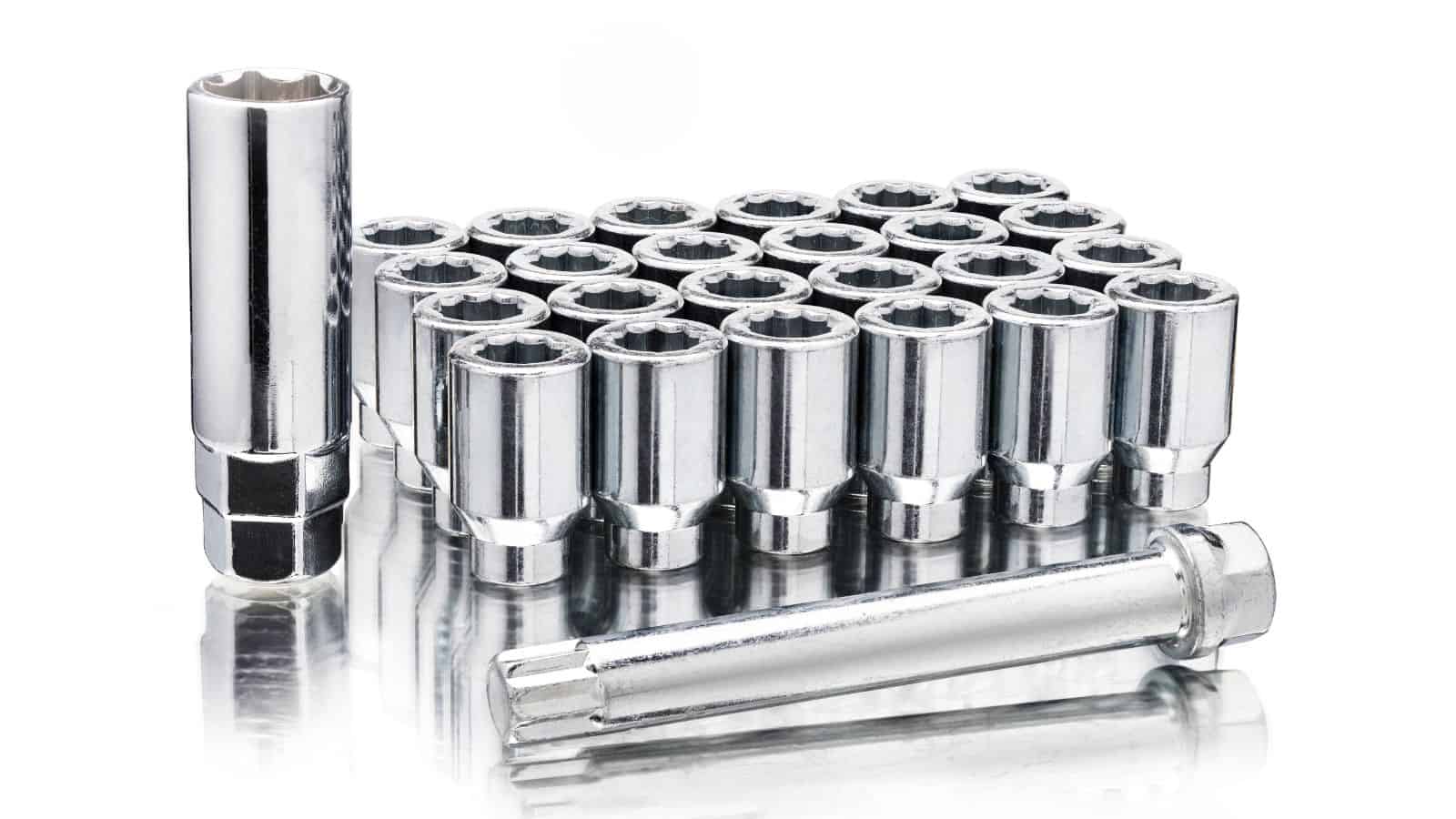
Chrome plating enhances a metal’s lifespan by creating a dense barrier that slows corrosion and chemical attack. In decorative chrome, a thin chrome layer over nickel blocks moisture, while hard chrome relies on much thicker deposits to withstand heavy use.
Coating thickness is critical:
- Thin layers perform well in clean, dry environments.
- Thicker layers are required for harsh service conditions, elevated temperatures, and exposure to fluids.
Hard chrome plating delivers exceptional wear resistance under sliding and impact loads. With a surface hardness of about 800-1000 HV, it resists scoring and deformation. By reducing metal-to-metal contact and featuring a low coefficient of friction, chrome plating promotes smoother motion, minimizes heat buildup, and ultimately extends component life.
Again, match thickness to application:
- Light-duty parts: thin chrome coatings suffice for mild abrasion.
- Heavy-duty parts: thicker coatings are essential to resist intense wear.
Finally, precise bath control and thorough surface preparation are vital. If these steps are neglected, the coating can crack or peel under load. When properly applied, chrome finishes ensure reliable, long-term performance—even in abrasive, high-pressure environments.
Surface Finish and Aesthetic Qualities
Chrome plating delivers a clean, smooth surface finish. Decorative chrome creates a bright, mirror-like finish that reflects light evenly.
Finish quality depends on polishing before plating because chrome does not actually hide defects, and scratches or pits in the base metal will remain visible.
Industrial chrome focuses less on shine. It targets smoothness, roundness, and function. Controlled grinding after plating refines size and texture.
Inspection and Testing Methods
Manufacturers rely on inspection to confirm quality and performance. Visual checks catch pitting, blistering, and flaking early.
They measure coating thickness with non-destructive tools. Hardness tests confirm wear resistance. Adhesion tests reveal weak bonding.
Common inspection methods include:
| Test Method | Purpose |
|---|---|
| X-ray fluorescence | Measure coating thickness |
| Microhardness test | Verify surface hardness |
| Salt spray test | Check corrosion resistance |
| Bend or thermal tests | Confirm adhesion |
Chrome Plating Applications and Industry Use Cases
Once you understand what chrome plating is and how it works, the next question is where it is used. Chrome coatings appear in both heavy-duty industrial systems and everyday decorative products.
Industrial Chrome Plating
Industrial chrome plating focuses on wear control, corrosion resistance, and long service life. Manufacturers use industrial chrome on parts facing friction and heavy loads, such as:
- Hydraulic cylinders and piston rods
- Printing and paper mill rollers
- Aerospace landing gear and actuators
Hard chrome deposits are thick and very hard. They help parts resist scoring, abrasion, and heat. When chrome is not ideal, alternatives like electroless nickel or PVD coating may offer better fatigue or impact performance for specific uses.
Automotive Chrome and Decorative Applications
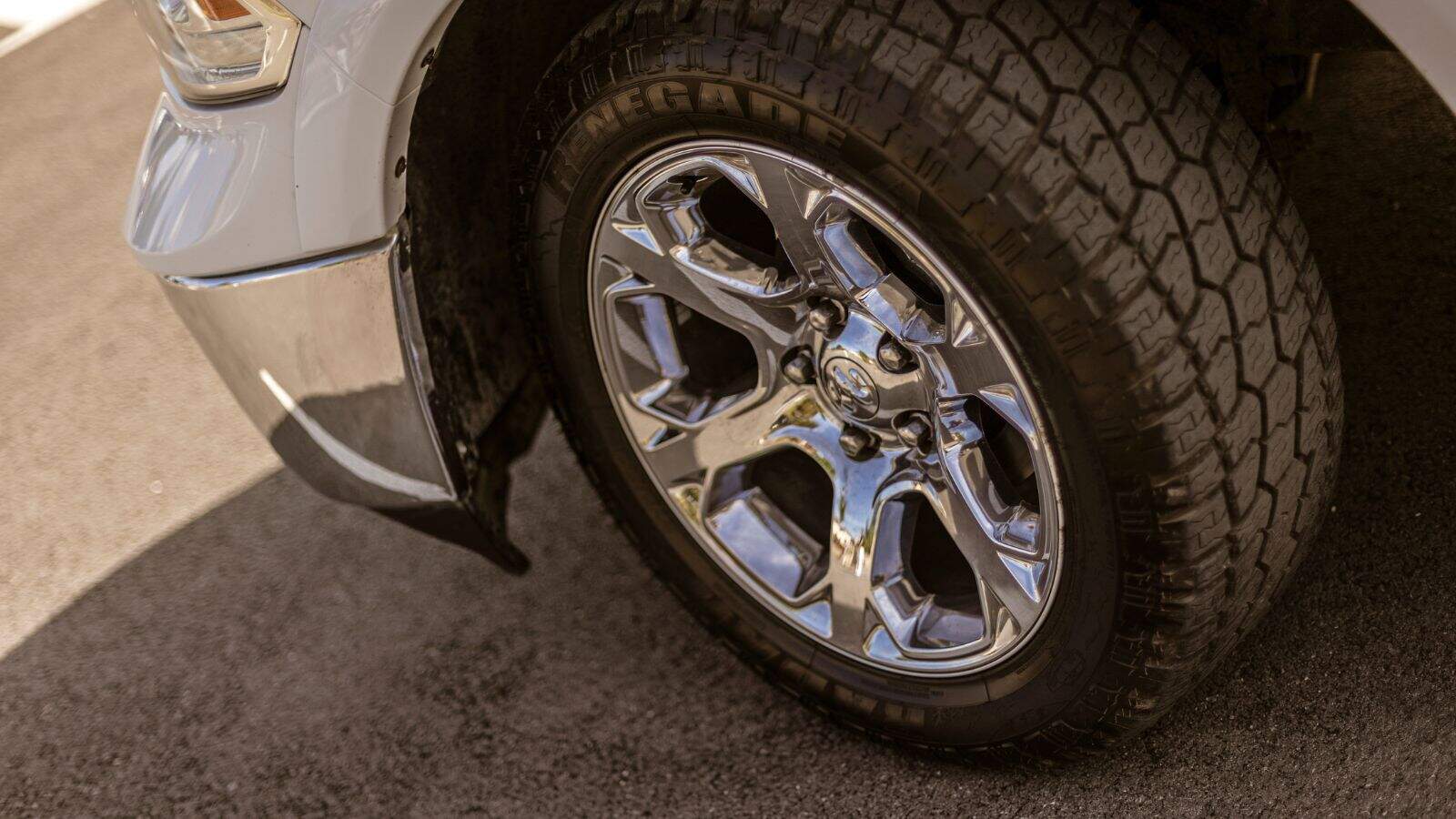
Automotive chrome parts blend appearance with protection.
Automakers apply chrome to:
- Exterior trim and emblems
- Interior accents and controls
- Motorcycle and custom vehicle parts
Decorative chrome differs from industrial chrome in thickness and purpose. It favors uniform coverage over extreme hardness.
Precision and Specialized Chrome Uses
Precision parts need tight tolerances and reliable performance. Thin Dense Chrome (TDC) meets these needs with thinner, crack-free coatings. Manufacturers use TDC for aerospace, medical, and tooling components.
TDC works well on complex shapes and reduces the need for post-grinding. It also supports strict material compatibility, including high-strength steels and stainless alloys.
Conclusion
In this guide, we’ve explored how chrome plating uses electroplating to deliver hard, corrosion-resistant, and visually striking surfaces. Now you can choose the optimal coating for your projects.
For best results, consult industry standards and partner with a qualified manufacturing expert in plating products who can meet your specific performance requirements.
Frequently Asked Questions
What is chrome plating in simple terms?
Chrome plating is a process that uses electricity to coat a part with a thin layer of chromium metal. This layer makes the surface harder, shinier, and more resistant to rust and wear.
What is chrome plating used for?
Chrome plating is used to improve the look and durability of parts such as car trim, faucets, and hardware, and to protect industrial components like hydraulic rods, rollers, and molds from wear and corrosion.
How thick is chrome plating usually?
Decorative chrome is very thin, often around 0.3–0.5 microns, while hard chrome for industrial use can range from about 20 microns up to several hundred microns depending on the application.